

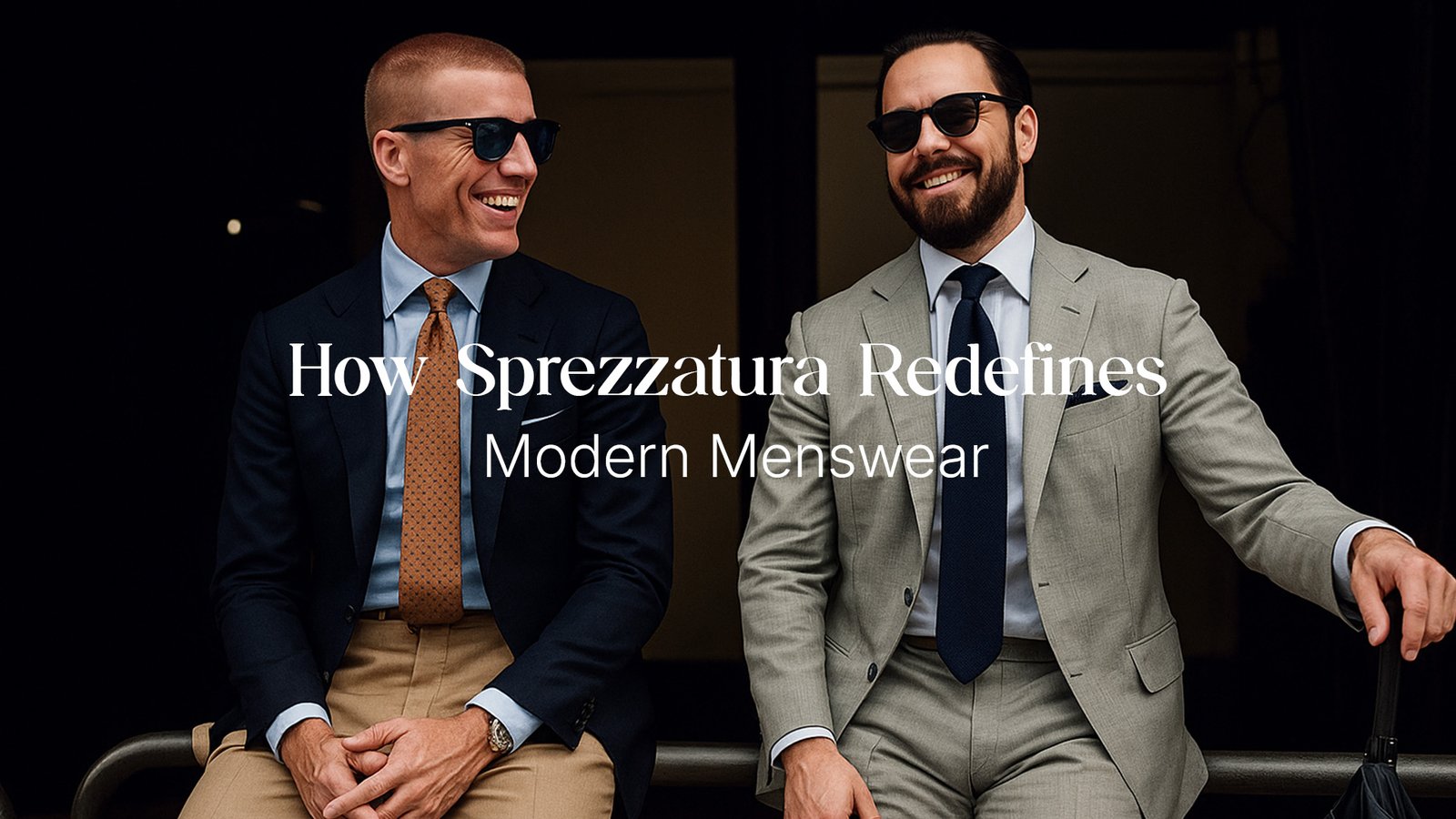
When it comes to men’s style there are two types of trends: ones that are short-lived and gimmicky, and others that stick around for centuries, literally. Fashion and fads may change with the seasons, but what separates stylish men is something a bit deeper than runway inspiration. It is an intangible phenomenon, a special je ne sais quoi that leaves an outfit appearing not as a costume but as one’s true second skin.
If you’ve ever envied the nonchalance of a man strolling down the cobbled streets of Florence or Rome then you have probably witnessed the Italian secret: sprezzatura.
But what is this alluring word? It’s just not a style, it’s a philosophy. Sprezzatura is the art of effortless elegance, that deliberate carelessness that makes a perfectly put-together outfit look as if you just threw it together on instinct, without thinking.
From the Noblemen of the Renaissance to Contemporary Men
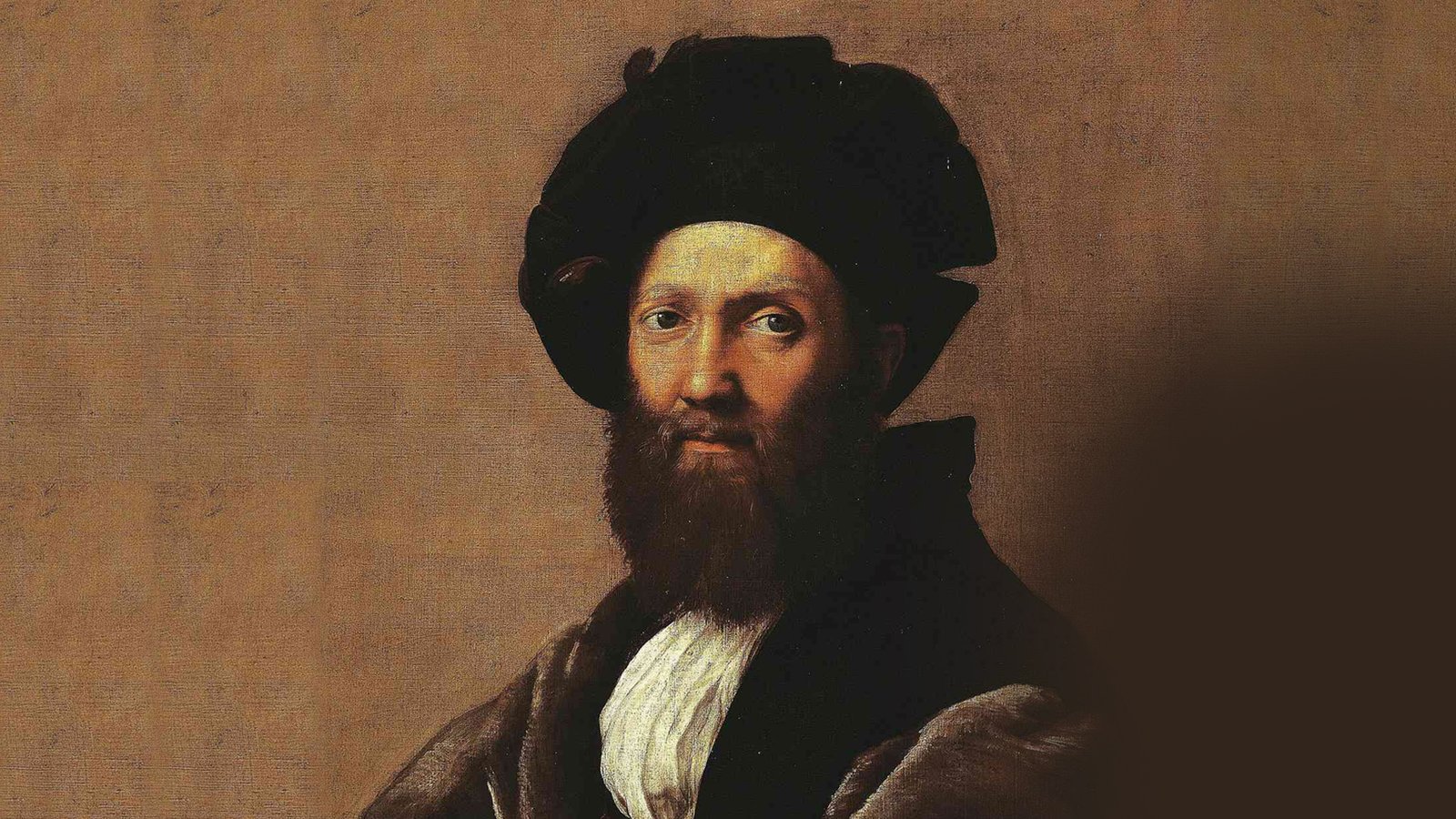
In order to understand sprezzatura, we must look at its origins. The term was coined in the 16th century by Baldassare Castiglione, a celebrated Italian courtier and diplomat. In his seminal work, The Book of the Courtier (published in 1528), Castiglione used sprezzatura to describe the ideal behaviour of a nobleman. It was the art of making a difficult task look easy, of concealing one’s effort and skill to give the appearance of effortless grace. In clothing, sprezzatura means studied carelessness.
Fast forward to now, the idea has found its most colourful expression in vintage Italian menswear. The British style of doing things tends towards impeccable perfection, whereas the Italians tend to take a relaxed and confident approach. Sprezzatura is the key that unlocks this difference, transforming a stiff suit into a statement of relaxed power and individuality.
The Nuance of Nonchalance
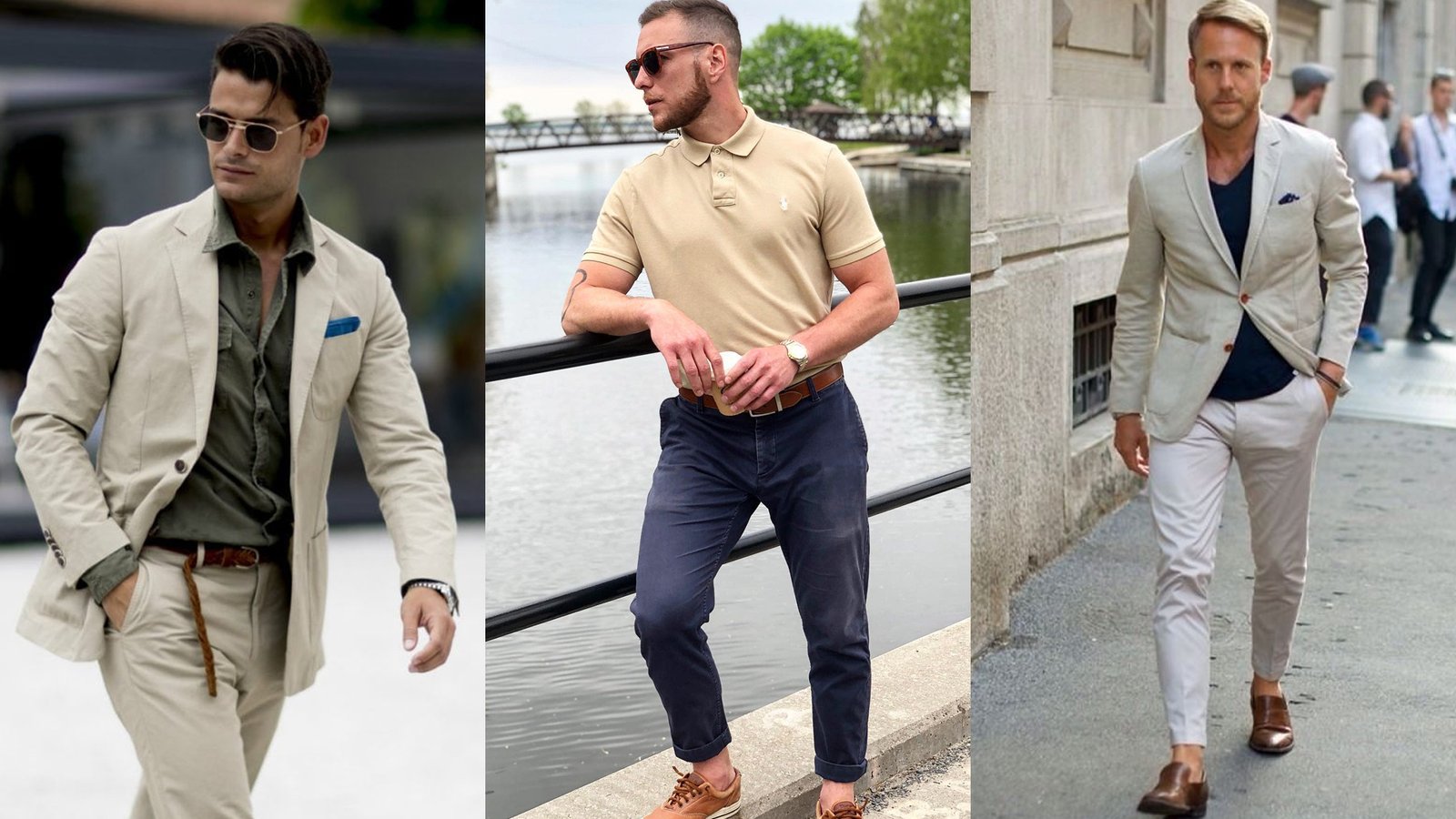
This is where the magic, and the potential for misinterpretation, lies. Sprezzatura is not an excuse for sloppy dressing. It’s not about wearing ill-fitting clothes or neglecting your appearance.
In contrast, it requires foundation of quality, fit and intention. It is a slight, sometimes barely detectable variation from perfect that communicates confidence and individuality. It’s a gesture of confident vulnerability, rarely in conventional styling. Consider it the last, exquisite brushstroke on a finished canvas that puts the painting altogether.
Putting Sprezzatura into Practice
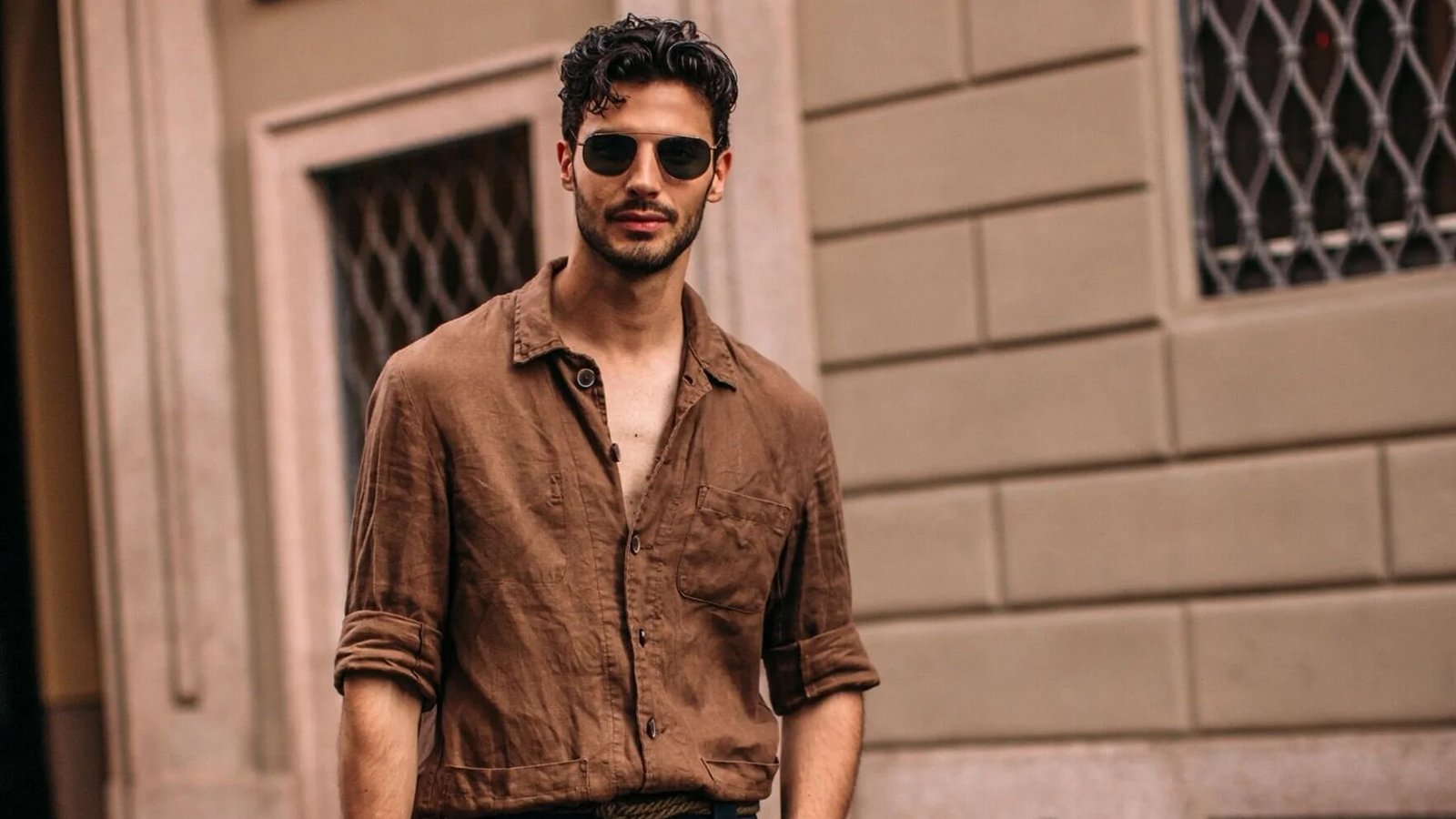
So how do you practice this art? It’s all in the details. They are not big moves, but small imperfections that suggest a guy who is sure of himself and comfortable in his own skin —and does not mind bending the unwritten rules.
Consider these classic examples:
The Pocket Square: Instead of the perfectly folded, neatly pressed square, toss a silk or linen pocket square casually into your jacket’s breast pocket and let it plop out in a soft, natural puff.
The Open Collar: When wearing a tailored blazer, leave your shirt’s top button undone, even without a tie. This softens the formal look and makes it look more relaxed.
The Wrinkled Linen: A slightly wrinkled linen shirt that you have worn all day tells a story. It embraces the natural character of the clothes instead of fighting against it.
The Sockless Loafer: A leather loafer worn without socks is an Italian signature. It’s an act of rebellion against uptight formality, a bit of ankle-flashing that just says summer ready.
The Draped Blazer: On a warm evening, draping your blazer over your shoulder instead of wearing it suggests you are a man who is so at ease that his clothing is an afterthought, not a constraint.
Ultimately, sprezzatura is about moving beyond the notion of dressing “correctly” and instead dressing with a sense of self. It is the opposite of a stiff, starched, and overly symmetrical look that feels devoid of life. It is the quiet rebellion of a man who knows that true style is not about following the rules—it is about bending them with grace.
So, the next time you get dressed, consider the finishing touches. Leave that top button undone. Let your pocket square have a mind of its own. Embrace the beautiful imperfection. Because in the world of true elegance, a little bit of sprezzatura goes a very long way.