


From Warbird to Wonder: How Collectors Are Restoring Fighter Jets Into Status Symbols
For years the fighter jets have represented more than just military strength-it’s been a symbol of national pride, technological superiority and an aura that feels mystical. Once defining an era of global tension and human creativity, these flying guards were forged in the furnace of battle and technical innovation. But what happens to these magnificent machines when they retire from active service? For a growing number of enthusiasts, they have another mission: to be stunning personal statements restored to their full glory as the ultimate status symbols.
A fighter jet is captivating in many ways. Their wavy lines, rough strength, and uninhibited design are reminiscent of the time when humanity continued to pursue the speed and altitude through research and development. Planes such as the hypersonic F-4 Phantom that reigned the skies during the cold war and the nimble P-51 Mustang of the world war II are not simply machines but rather symbols. They are a symbol of courage, innovativeness as well as the dream of flying.
Previously, these machines were only owned by the governments. But a small group of enthusiastic collectors are restoring the legends to-day.
In the past, these machines were only held by governments. However, the legends are being revived today by a tiny but passionate group of collectors. They transform what was formerly a weapon of war into a symbol of individual success and drive.
The Restoration Journey: From Military to Marvel
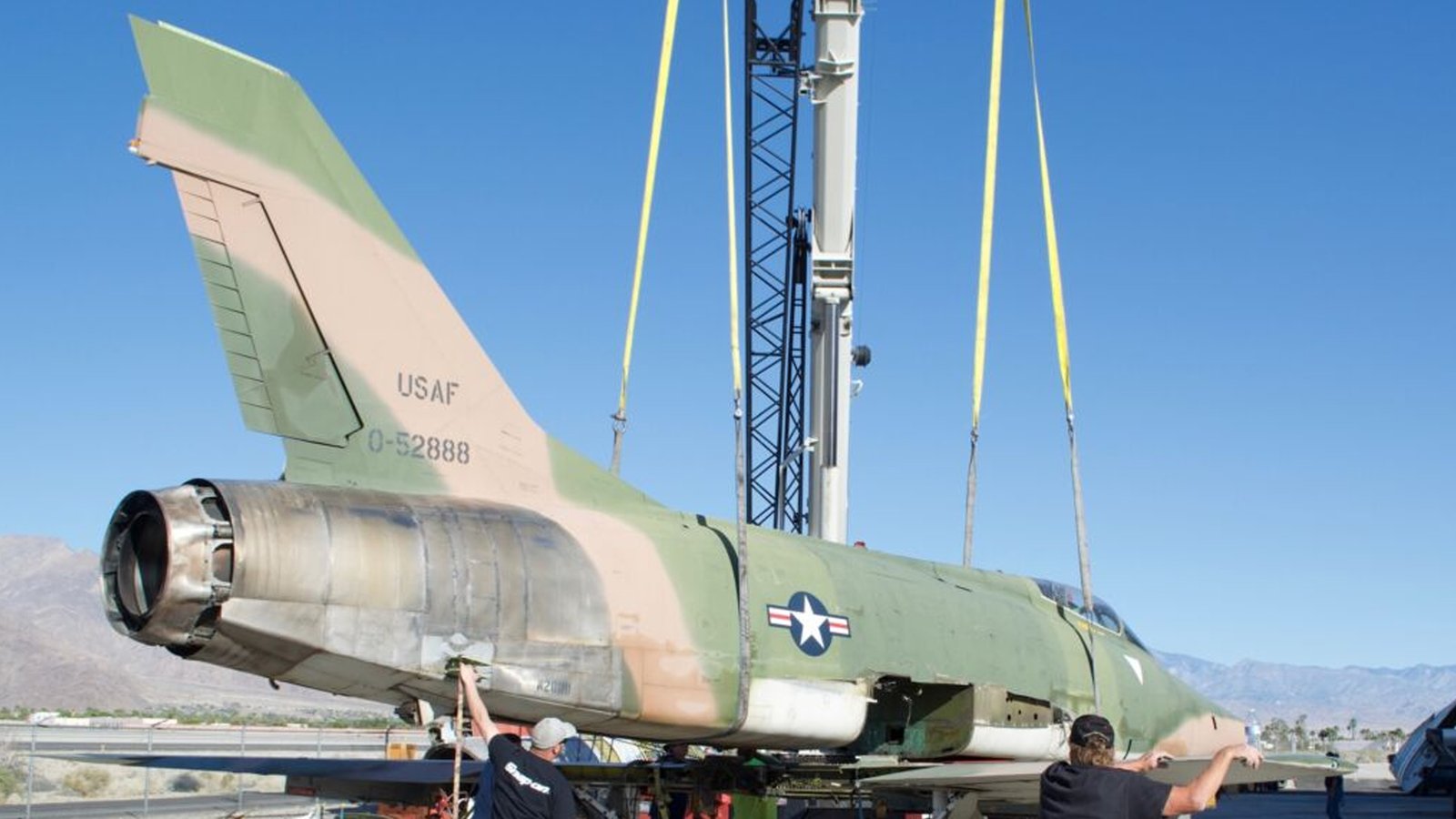
The process of transformation of a retired military property into a luxurious marvel that is privately owned is not as smooth as it might seem. It is tedious and often demanding, and it requires numerous resources, a huge amount of experience, and a firm sense of dedication.
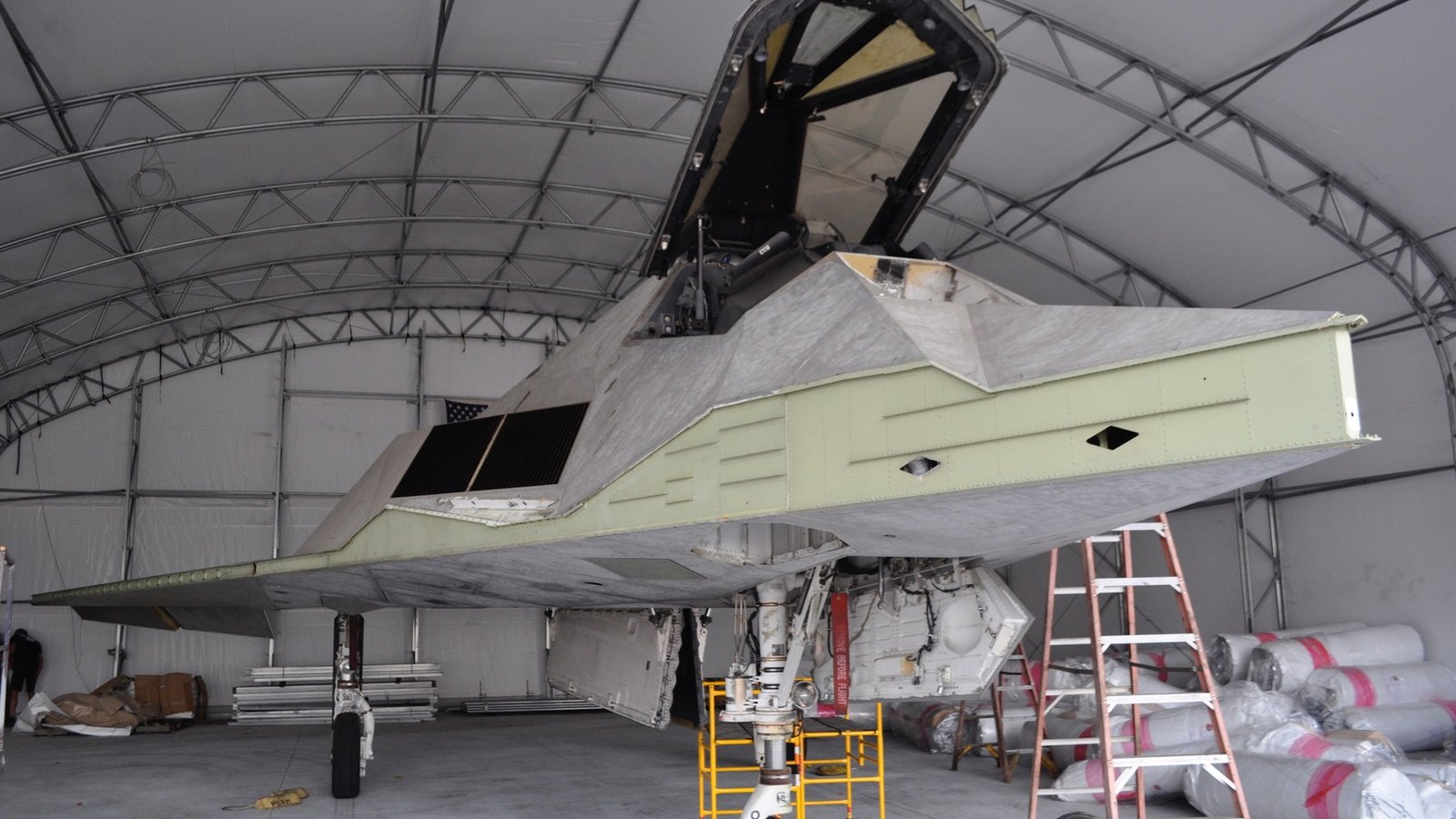
Imagine acquiring a jet that has been stored in a desert boneyard, perhaps missing critical components, or suffering from years of neglect. The first step involves careful disassembly and assessment. This is not a weekend DIY project; it is an industrial undertaking. Specialist teams, often comprised of retired military aircraft technicians or seasoned aviation mechanics, are brought in. They possess the skills needed to understand these complex machines.
One of the most challenging things is the acquisition of parts. The companies that either manufactured the jets or their parts ,might have gone out of business since many jets are decades old. This often involves the development of components at a low level, which may be costly and requires accuracy in engineering.
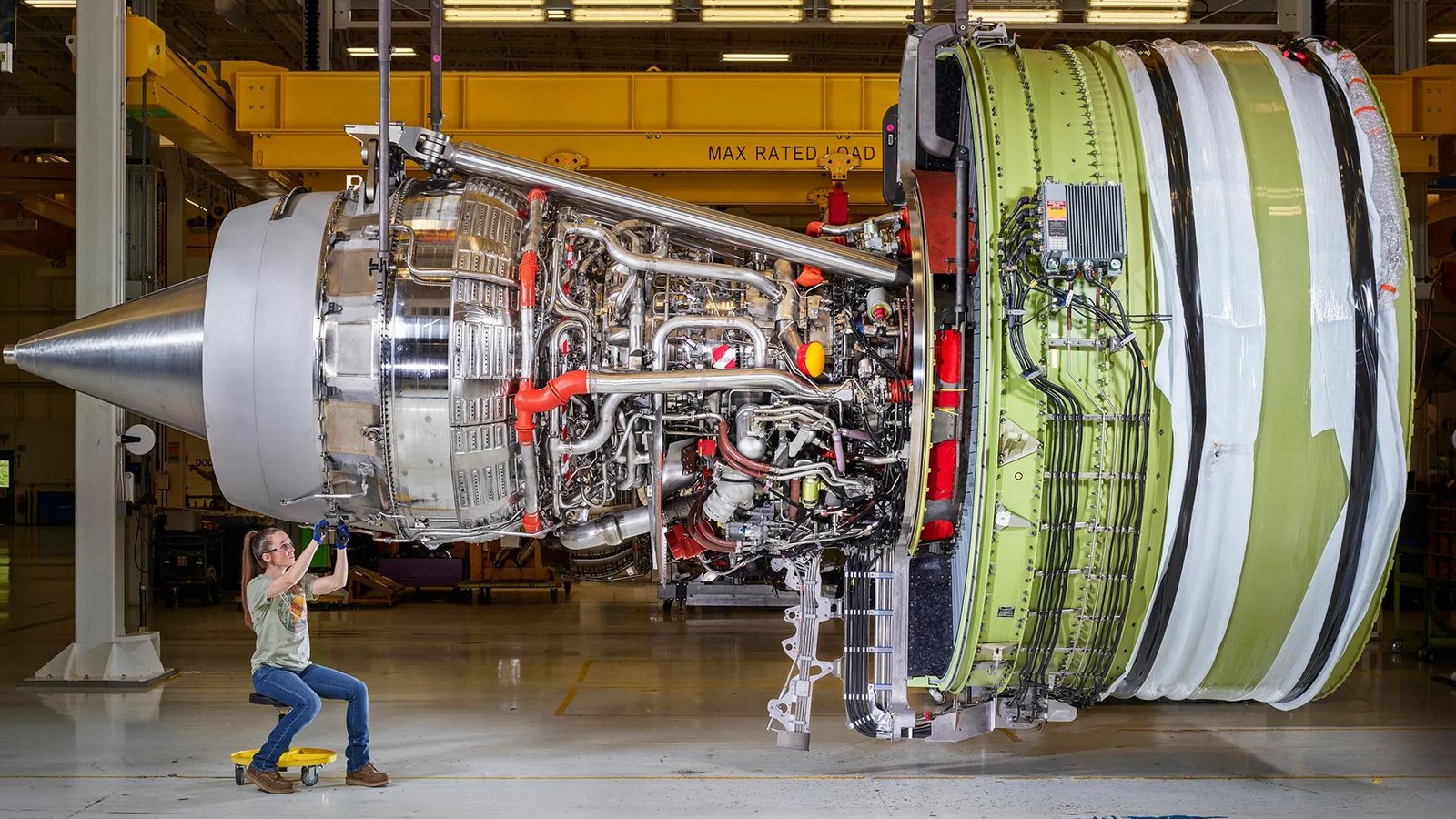
Next is engine overhaul. The engine of any fighter jet is its main element, and the certification and safety for the purpose of civilian operation would require much effort. These machines are very specialized and thus their supervision should be carried out by professionals to ensure that the engines meet all the safety and performance standards. It may cost a hundred and fifty-thousand or even millions of dollars to do a single overhaul.
Once the repairs have been performed and paint has been stripped, a fresh coat of paint is applied to transform the aesthetics of the plane. The interiors often receive a makeover as well, with new seating, upgraded instrument panels, and sometimes even luxury features.
Collector Stories: The Heart Behind the Project
Each plane that has been renovated has a collector behind it who does it for reasons other than money. They are passionate people, who want to pursue their desire one more time and feel connected to aviation.
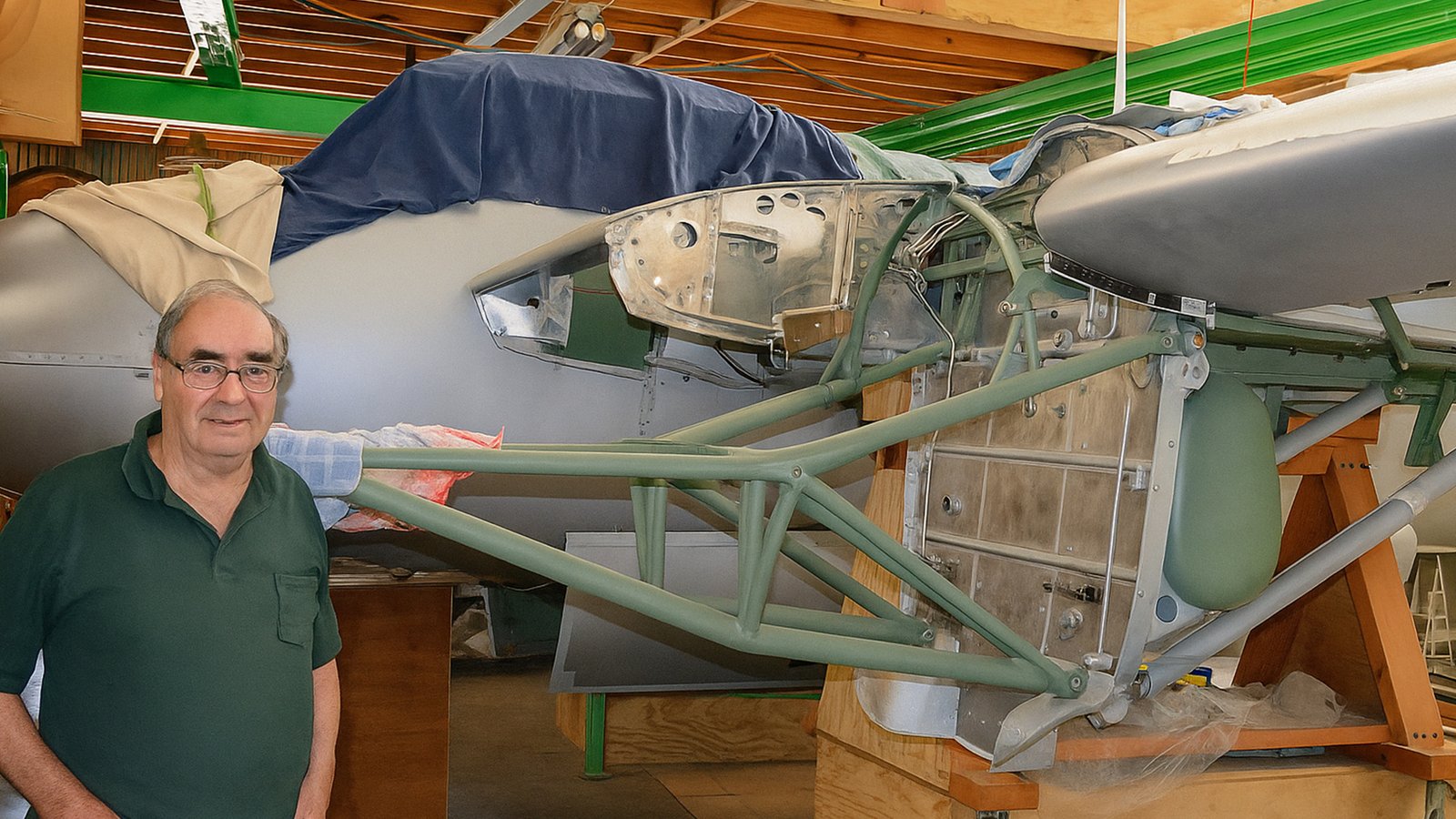
One such tale concerns Glyn Powell, who spent ten years trying to revive the WWII Mosquito, looking all over the world for the components, drawings, and know-how needed to reconstruct its distinctive wooden fuselage. The enthusiasm, perseverance and innovativeness of collectors are seen in both museum projects and personal projects- most of them choose to spend their time and money just to find the magnificent machines flying again in the skies.

A story similar follows the painstaking restoration of a Panavia Tornado GR1 by Chris Wilson and his team at Jet Art. Wilson was a UK-based restorer who had acquired a rare and decommissioned RAF Tornado that had many decades of service. His team and he worked hard during the 16 months and made sure that the plane was brought back to its glory with the head-up display, the ejection seats, and the cockpit were all in compliance with the original specifications. Although flying is not possible anymore the conversion of the Tornado into a museum piece in an exclusive collection is one of the best examples of efforts made in the collector community.
These collectors’ journey not only honoured the aircraft’s service history but also highlighted how investors and enthusiasts today view historic fighter jets as both prestigious investments and sentimental tributes to aviation.