

Sovereign Seas: How Owners Customize Yachts to Be Their Own Private Nations
Luxury travel has shifted from destinations to domains. The elite of the world are increasingly seeking to command the waters rather than just sail in them; they are building ships that function more as sovereign nations than as floating hotels. Today, yacht customisation encompasses more than simple gadgets and interior design. It is about creating one’s own private nation on the water, complete with infrastructure, protocols, and identities that rival small states.
Architectural Sovereignty
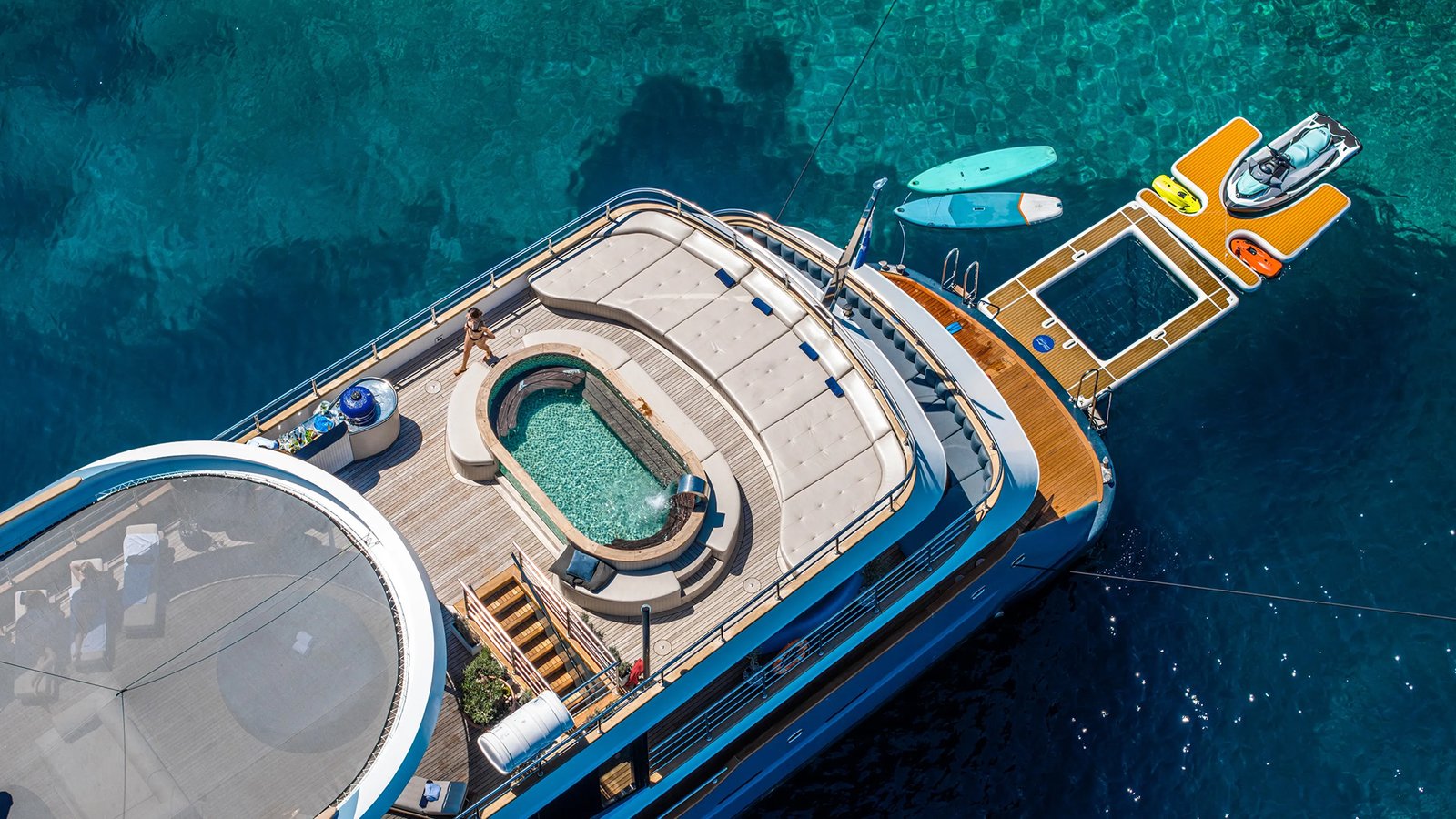
Architectural sovereignty, or the way owners employ design to make their vessel stand out from others, is the first characteristic that makes a yacht a nation among itself. Forget generic layouts. Today’s mega-yacht builds resemble miniature cities, each with its own idea of space, design, and symbolism.
Consider helipads positioned not just for convenience but as diplomatic “airports” on the go. Some yachts even feature dual pads-one for the owner, another for visitors, mirroring the private and state-use distinction of official palaces. Pools are often no longer rectangular but cascading, multilevel water features designed as plazas that invite social exchange or separation, if desired.
Every corridor, salon, or observation deck is a deliberate statement of power, culture, and style. Just as a nation’s architecture conveys identity, so does the modern mega-yacht. This means every ship is a floating map of the desired republic of the owner.
Onboard Governance
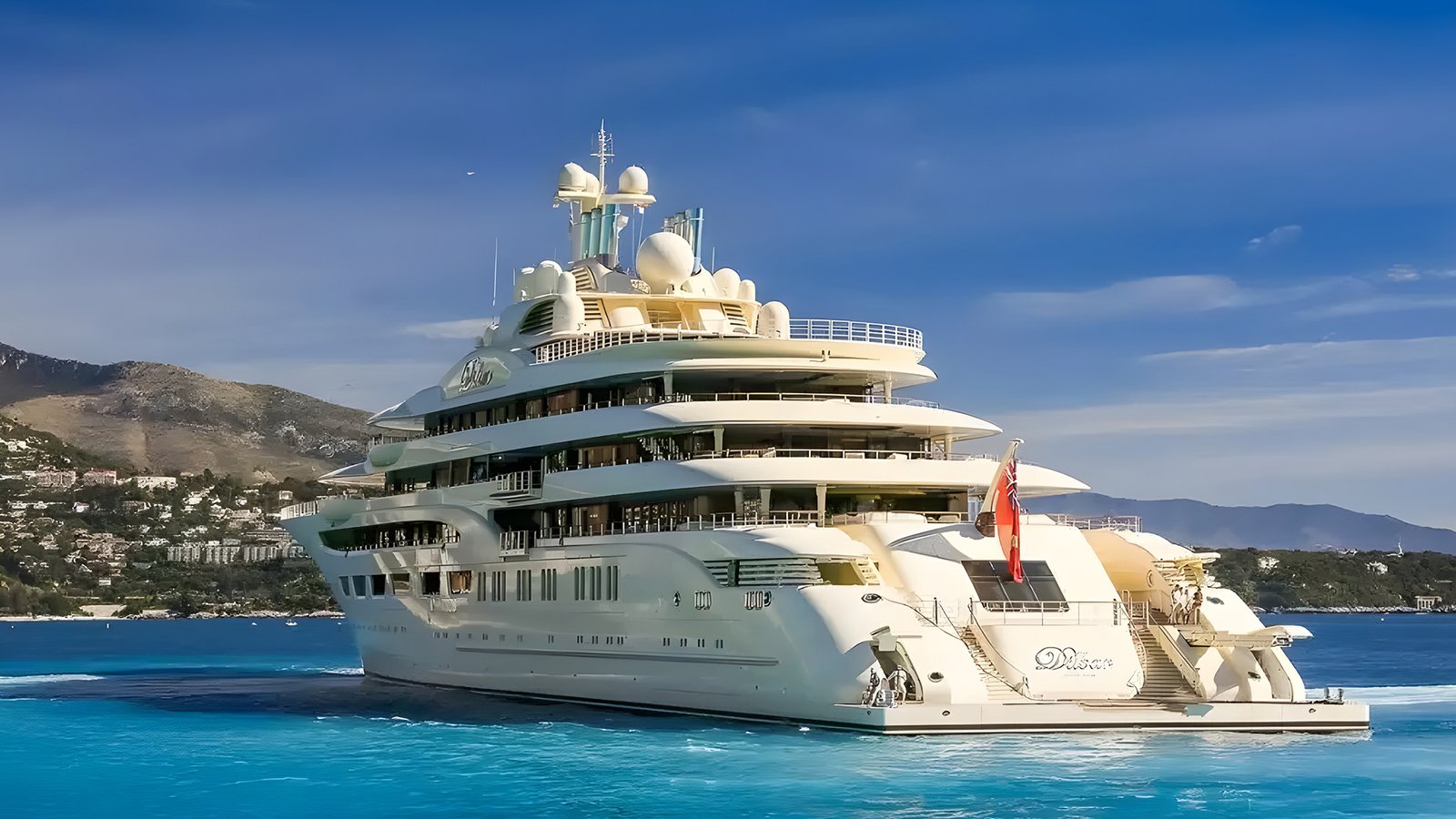
Countries need to be governed and so do the luxury yachts. The owners are taking more interest in governing the hierarchies of crews, service rituals, and flag protocols that reflect the political order. Many yachts sail under registries in Monaco, the Cayman Islands, or the Marshall Islands, carefully selecting a legal “citizenship” that suits their regulatory and tax needs.
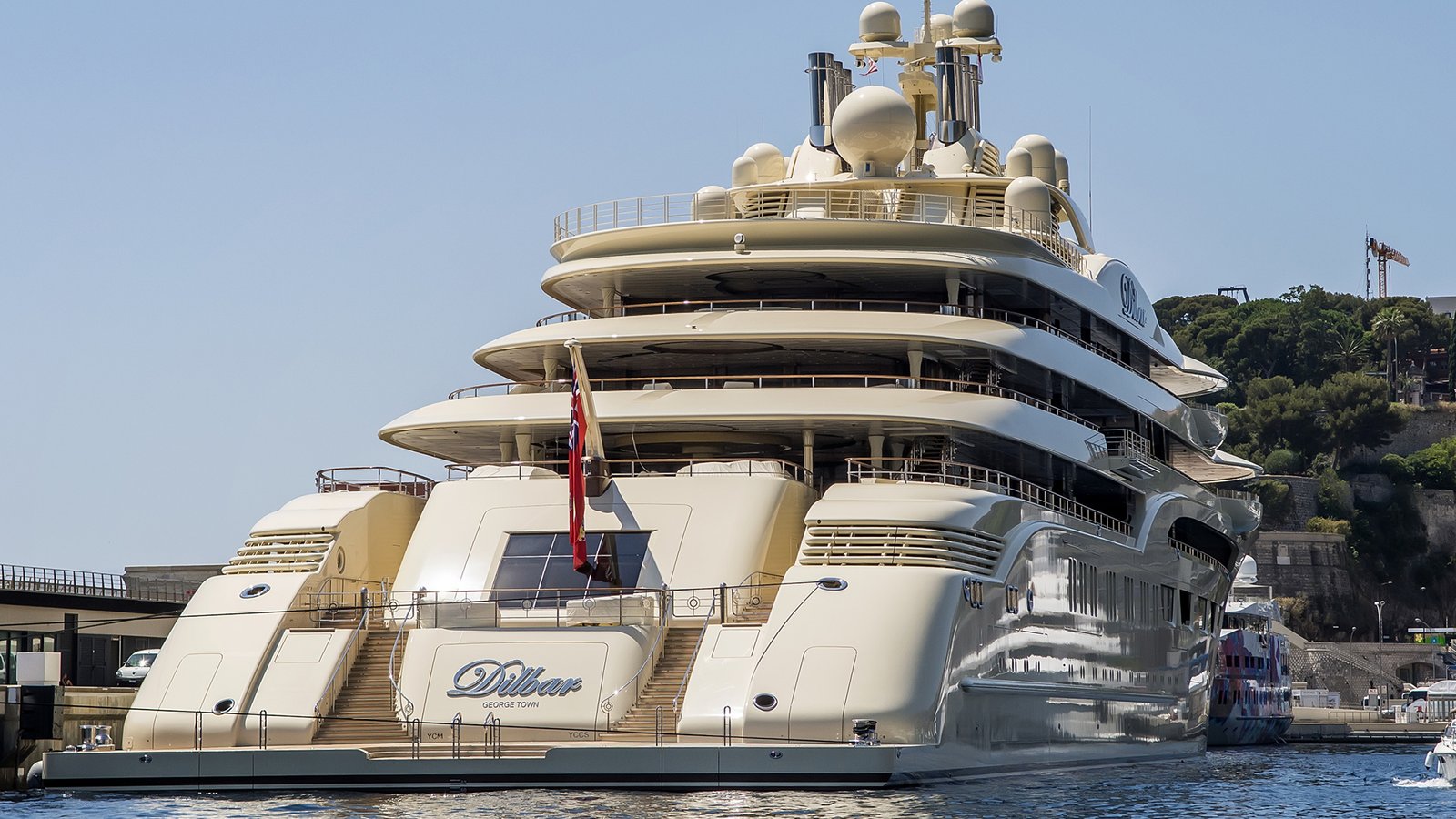
Some yachts carry certain distinctive signs or personal sea flags that they fly in addition to the official signs of the registry, such as national flags. Hierarchies within the boardroom are regularly optimized. Equivalents of chiefs of staff coordinate among chefs, dive instructors, wellness gurus, and aviation support and there are no problems with the world-to-world transfers: gym to spa, boardroom to beach club, Skydeck to submarine. This orchestration extends even to guest management. Structured guest protocols may dictate arrival sequences, seating orders, or dining rituals, ensuring that hospitality mirrors a courtly regime. It turns into not only a personal retreat, but a sovereign state of laws and traditions, designed to be based on the whim of its master.
Tailored Amenities
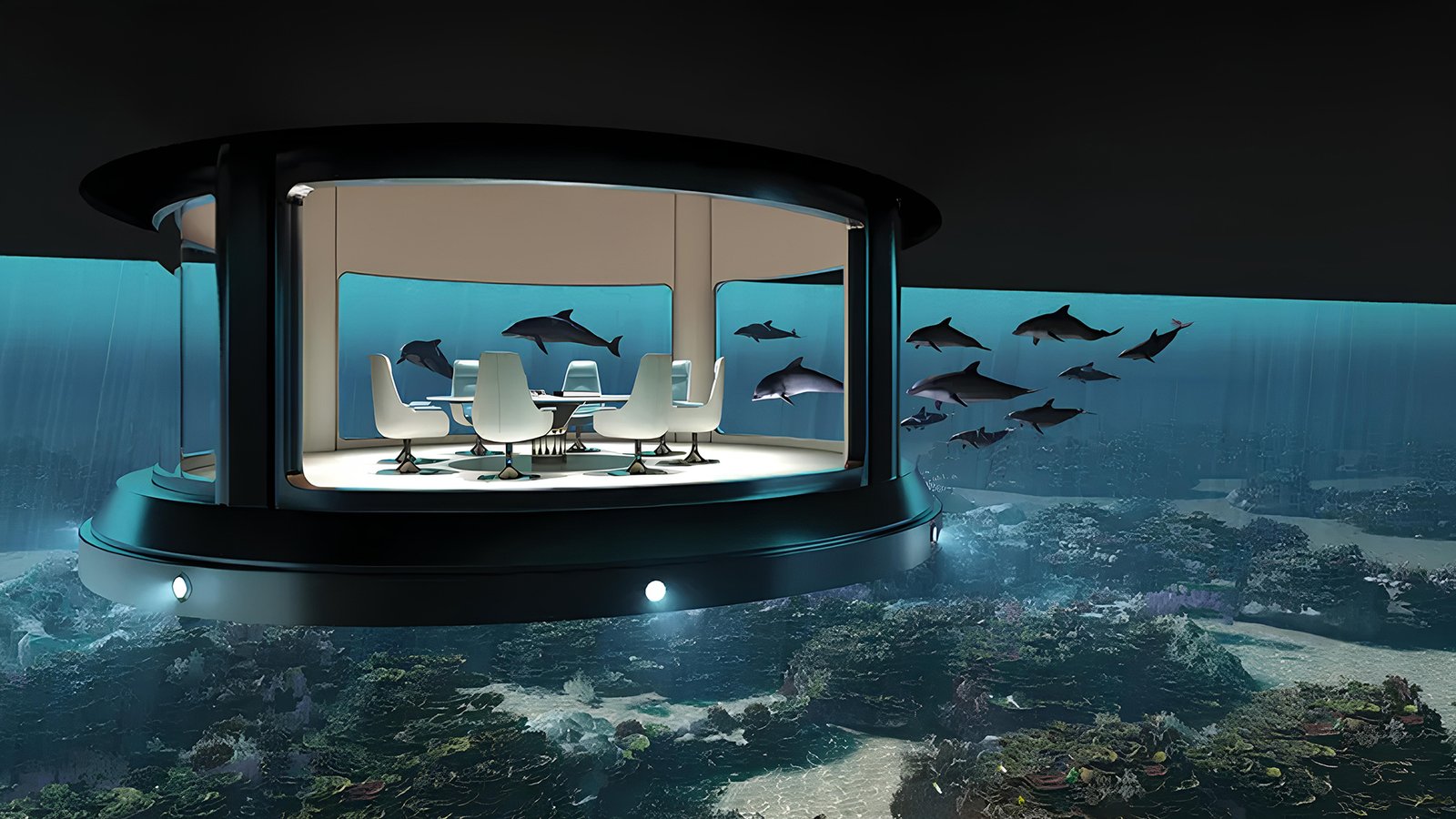
Something that makes a bespoke nation-at-sea really unique is its specialized facilities, which are much more than the luxuries of infinity pools, cinemas, or gyms. Owners increasingly look at yacht customization not as indulgence but as cultural institution-building.
Some yachts integrate private observatories with retractable domes for stargazing. Others incorporate full-fledged spas with hammams, oxygen chambers, and snow rooms that compete with the most exclusive resorts. More adventurous states provide their nation with submarine garages or exploration suites for their residents (guests).
Food and wine, too, become instruments of national character. Cultivating vertical gardens or even hydroponic farms onboard, some owners ensure their cuisine reflects true gastronomic independence.
Iconic Case Studies
Fulk Al Salamah: The Hidden Palace
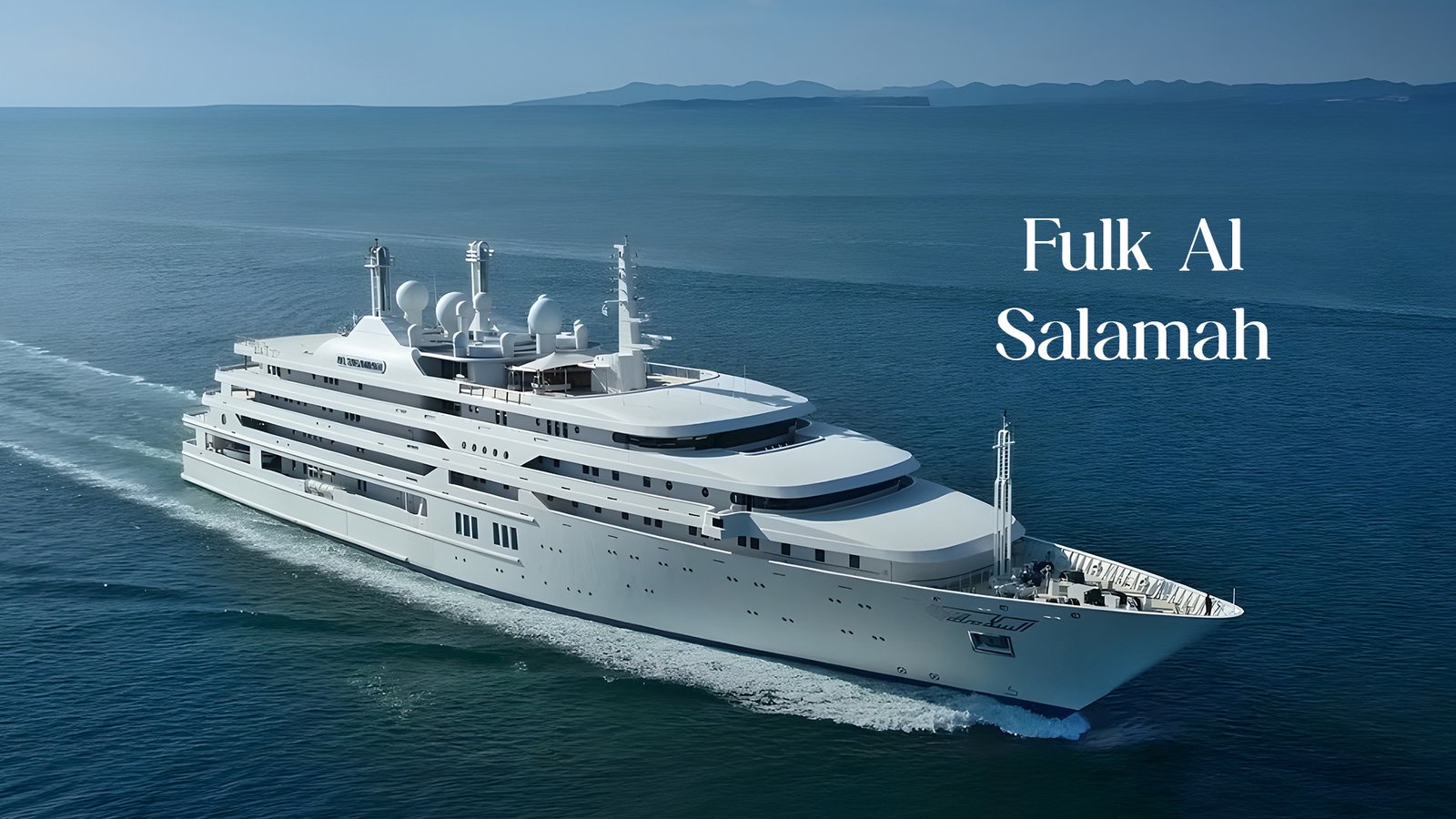
Fulk Al Salamah is a floating presidential palace owned by the Oman royal family. While much is secret, its rumoured grand halls, guest suites, and advanced security reflect tailored statecraft on water.
Dilbar: The Green Giant
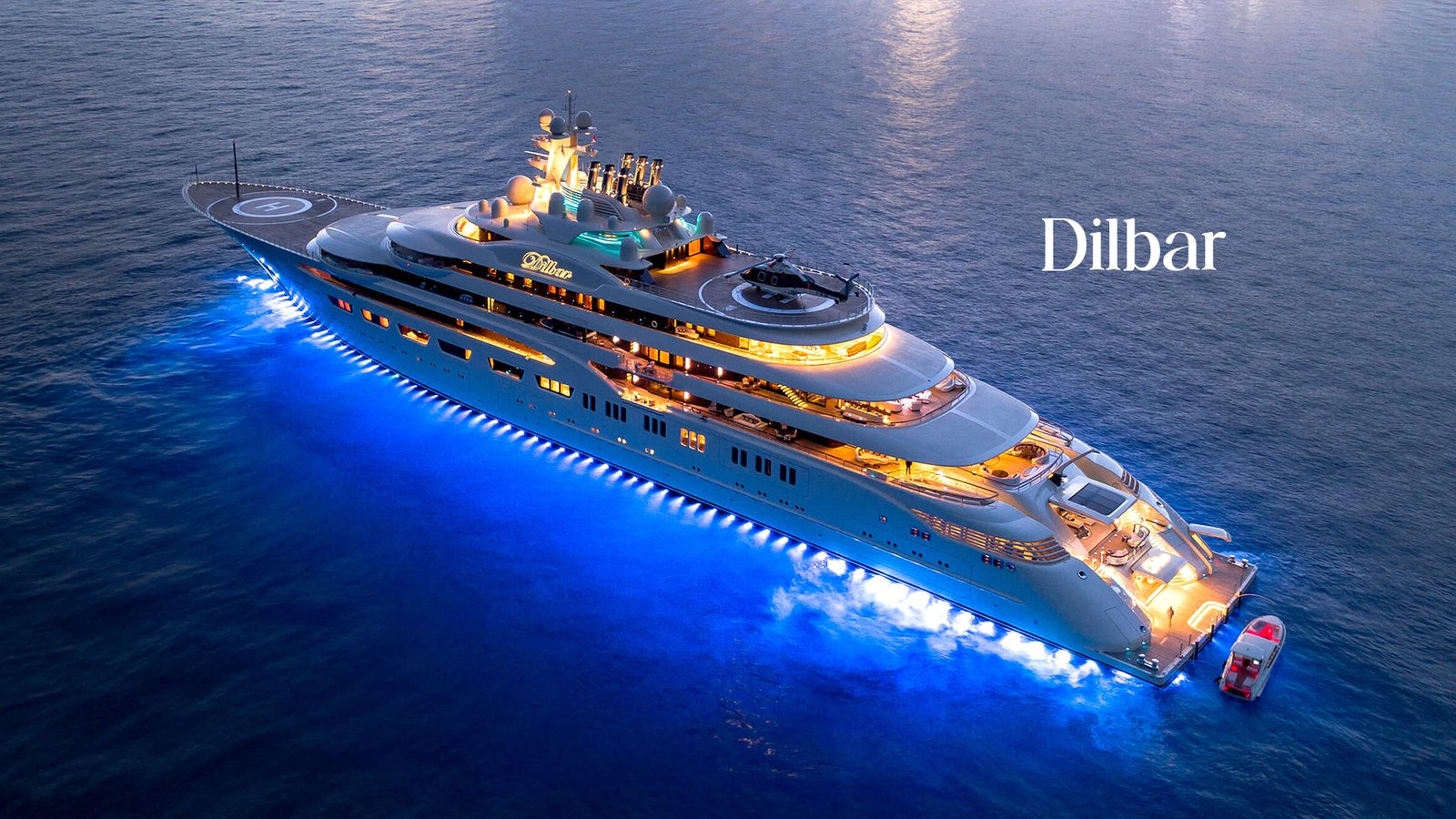
Dilbar, owned by Alisher Usmanov, stands out for its sustainable innovation featuring the largest pool ever on a yacht and stabilized gardens. It is a good example of how eco-consciousness and luxury tailored to the customer meet in a self-sufficient maritime state.
Identity and the Future of Floating Nations
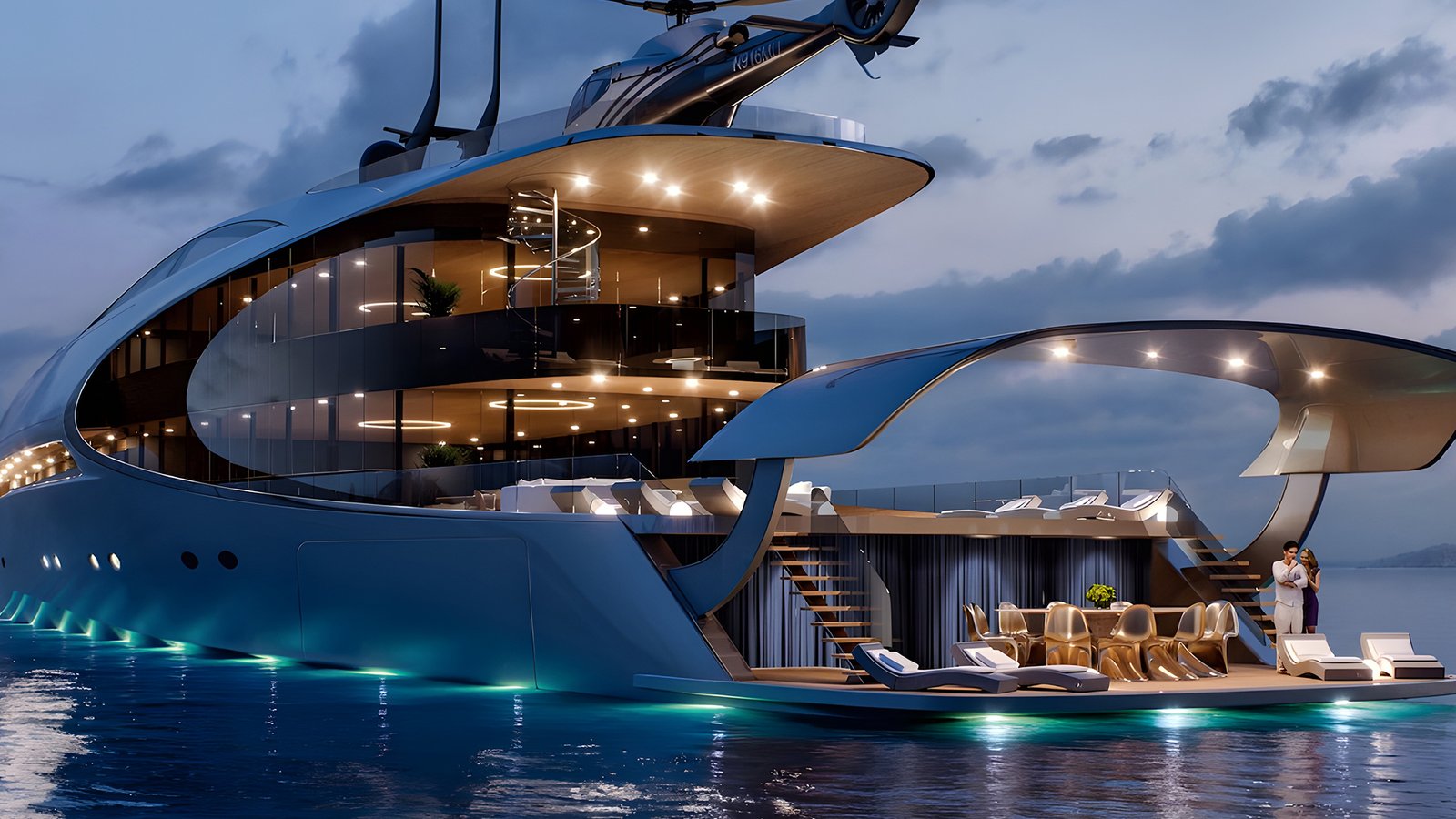
A desire to transform a yacht into a mini-nation exposes a more significant cultural trend of the richest in the world. At one level, it is about privacy: the ability to withdraw completely into a controlled environment where every detail-from the deck materials to the dinner menus, is sovereign territory. But at another, it is about identity.
Owners create their floating nations to reflect how they feel themselves and want to be seen, just like nations do through institutions, rituals, and symbols. In the future, the notion that yachts may become self-sufficient nations will only expand as technology makes it possible for more autonomous boats with AI-driven navigation and renewable power systems.