

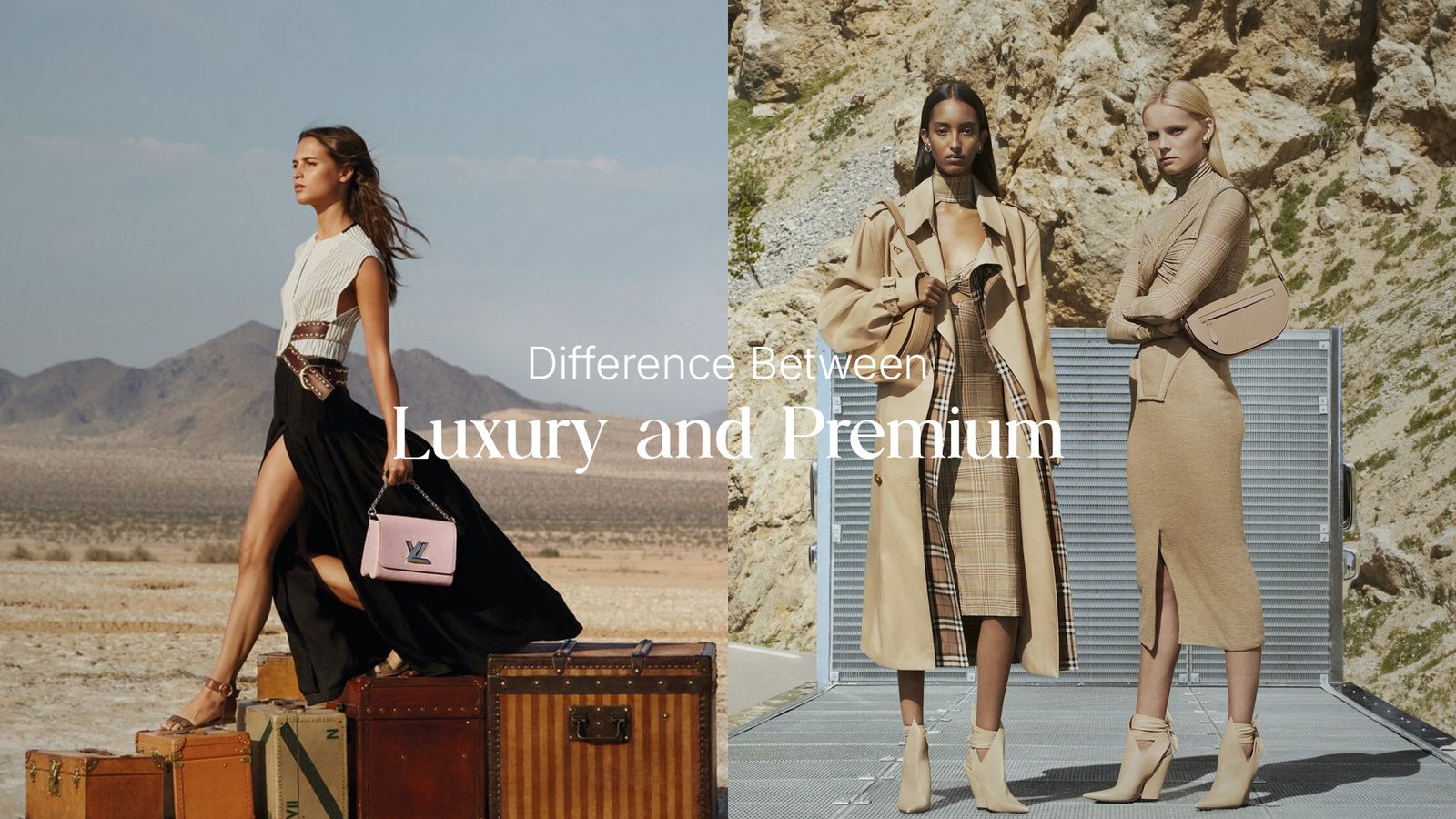
The lines between “Premium” and “Luxury” have become blurry in the modern marketplace where the actual product carries the same weight as the brand and its perception among the consumers. We often use “Premium” and “Luxury” interchangeably, while both are associated with superior quality and hefty prices, yet there are key factors that make them distinct categories within a more complex hierarchy.
The truth is, not all expensive things are created equally. The lines blur because a brand can have dynamic positioning based on certain product lines that target different consumer markets. So, let’s move beyond the “Premium vs. “Luxury” debate and break down the four tiers of branding that influence brand perception and cater to different consumer segments.
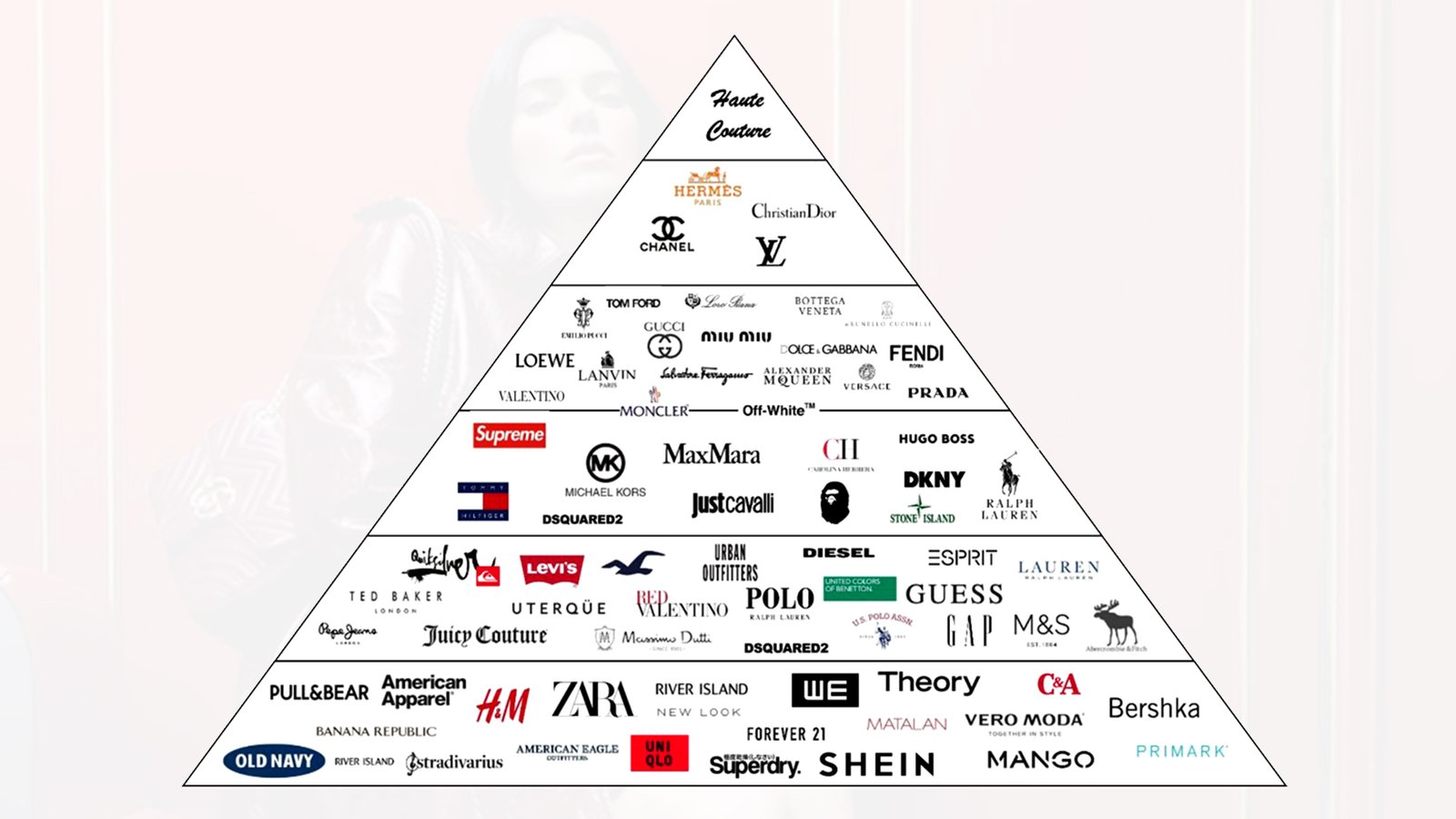
The High Street Brand - Accessible and Trend-Driven
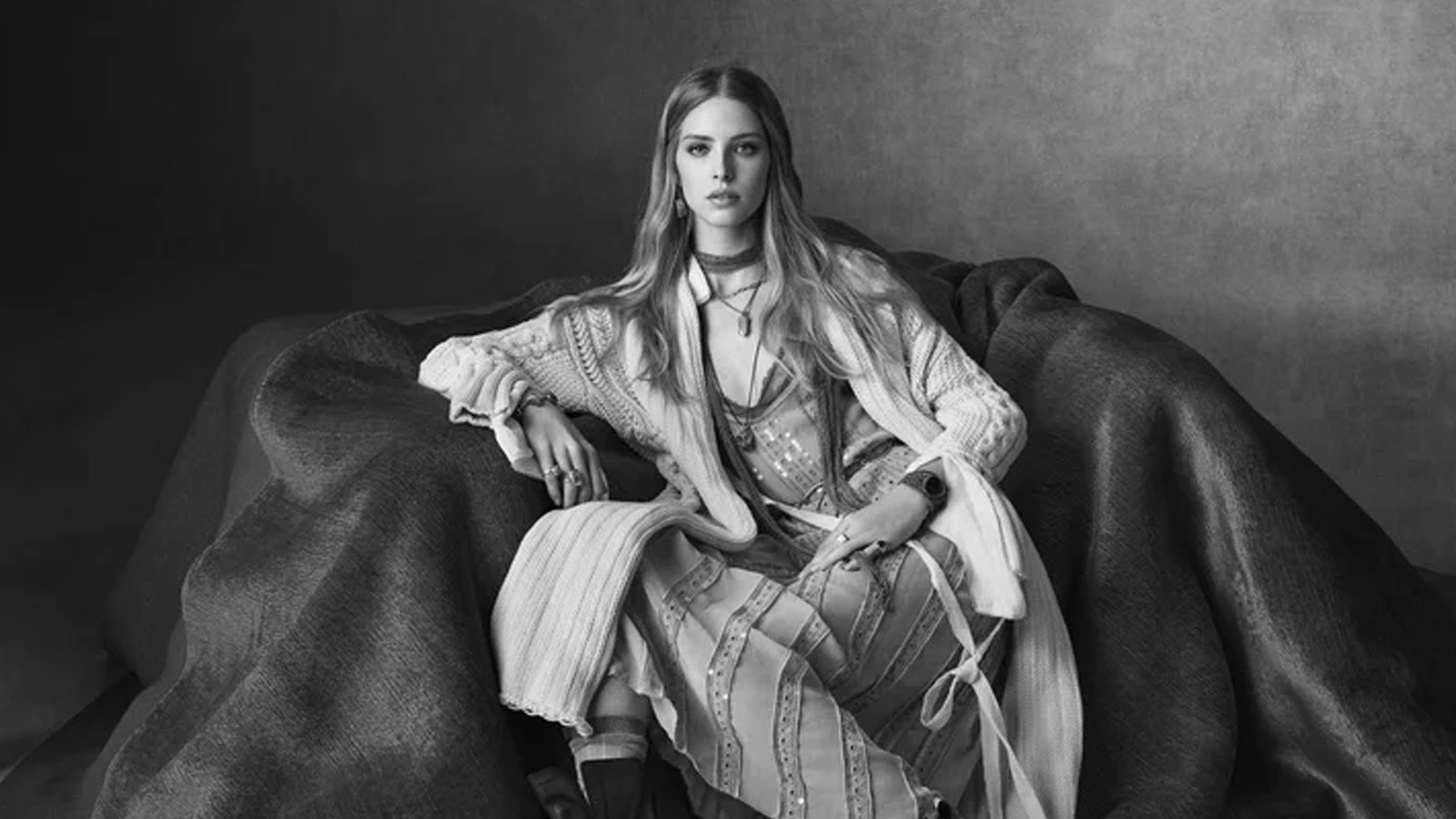
With respect to the High Street brands, they’re the foundation of the pyramid and are essentially the go-to brands that make the latest trends accessible to the masses.
Well-known for offering utility and fast fashion, these brands appeal to those who love adapting to the latest trends from social media, runways or anywhere else, all at a price that won’t break the bank. They pride themselves on direct, trendy marketing campaigns and want their customers to be in the know about the latest looks, get the look for less and feel the instant satisfaction of a brand-new purchase, much like Zara, Uniqlo, and H&M.
Marketing is direct, loud, and trendy. It is about staying on top of trends, getting the look for less, and the instant gratification of purchase. Think of brands like Zara, Uniqlo or H&M. They aim to make you feel “in the moment” and in tune with current fashion trends.
Their products are available in thousands of physical stores worldwide and e-commerce platforms. The purchase tends to be rational and functional. Consumers purchase products to fulfil a specific need, stay fashionable and up-to-date.
The Premium Brand - Aspirational and Attainable
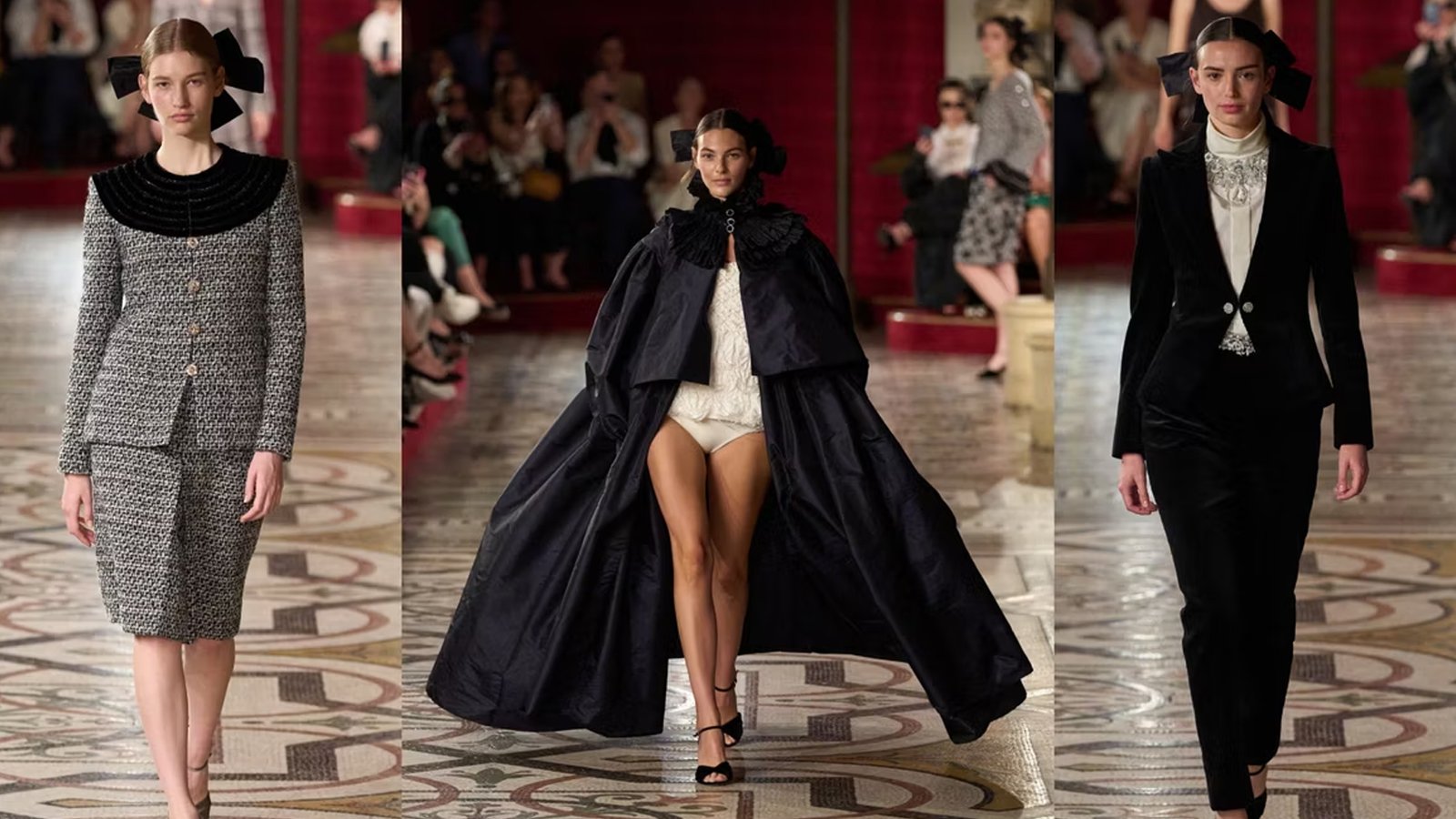
Now, moving up the pyramid, we have Premium brands, or in simpler terms, aspirational brands that not only promise higher quality and craftsmanship, but also an enhanced lifestyle. They brand name themselves using a logic that says their value lies in greater materialism and well-thought-out layouts. It is basically a quality upgrade for the average life. Their messages are inspirational. Brands like BMW or Ralph Lauren use their names to sell a certain level of success, not just cars or clothes.
Premium brands are distributed through flagship locations, luxury department stores, and a robust online presence. They are desirable, but fundamentally accessible to the broad consumer base. These brands are reward and recognition for the life upgrade. It’s a statement that says, “I’ve arrived at this higher level.”
The Luxury Brand - Exclusive and Symbolic
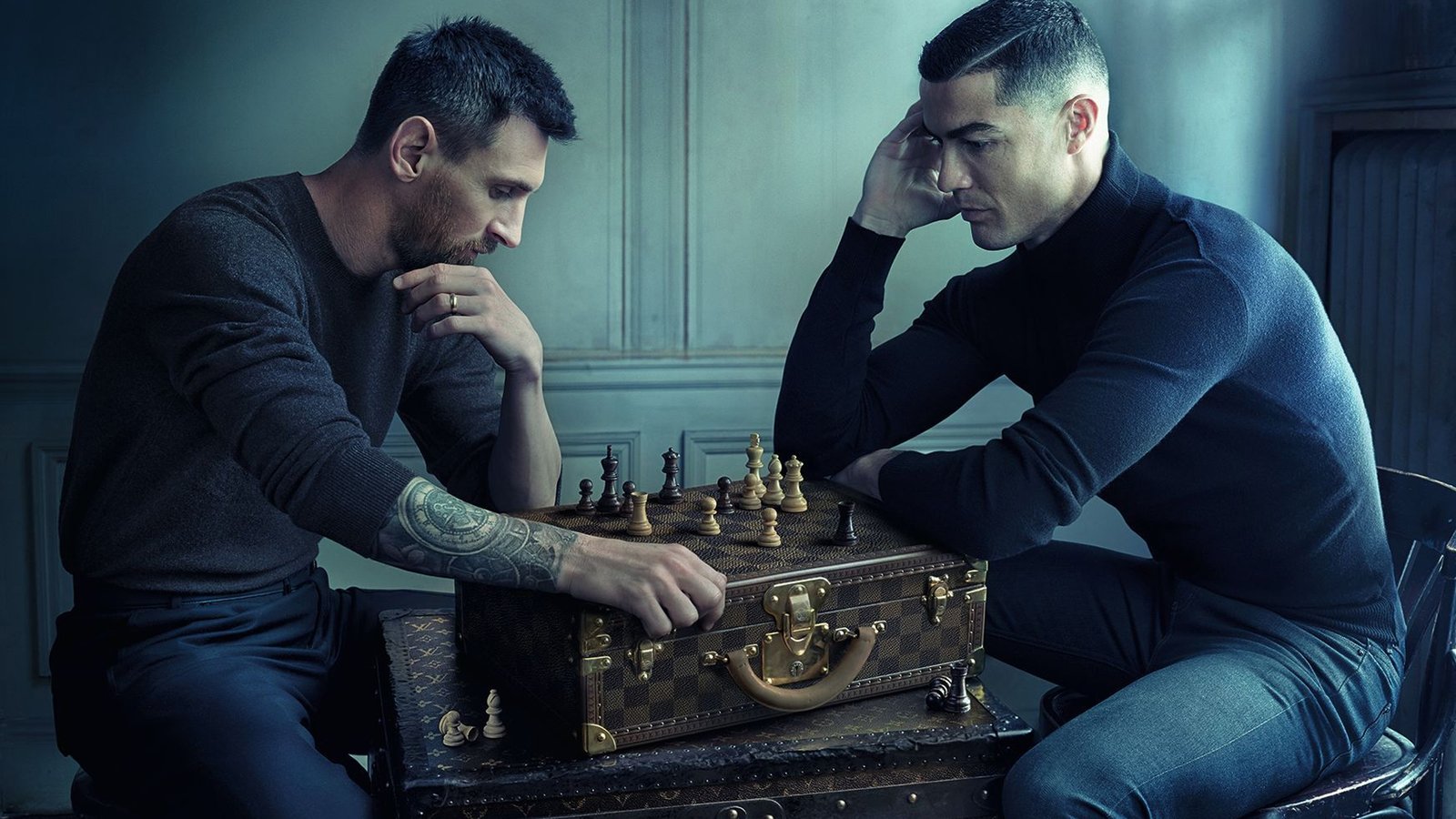
True luxury lives in a universe of its own. While high quality is a prerequisite, the product’s value lies predominantly in what it represents.
The value is embedded in the heritage which runs through generations. The price is exponential and often goes far beyond the usual cost of production, reflecting the brand’s mystique and legacy. As Coco Chanel once said, “Luxury is a necessity that starts where necessity stops.” “
These brands target a specific, often smaller audience. You do not see a commercial for a Chanel handbag or Patek Philippe watch on television. Their messaging is about legacy, art, and belonging to the elite cultured world. The value lies in what the product is, not in what it does. Their distribution is tightly regulated. Products are available either in exclusive boutiques or, in some cases, through a waiting list. It is a club you must be invited into.
The Ultra Luxury Brand – Bespoke and Inherently Scarce
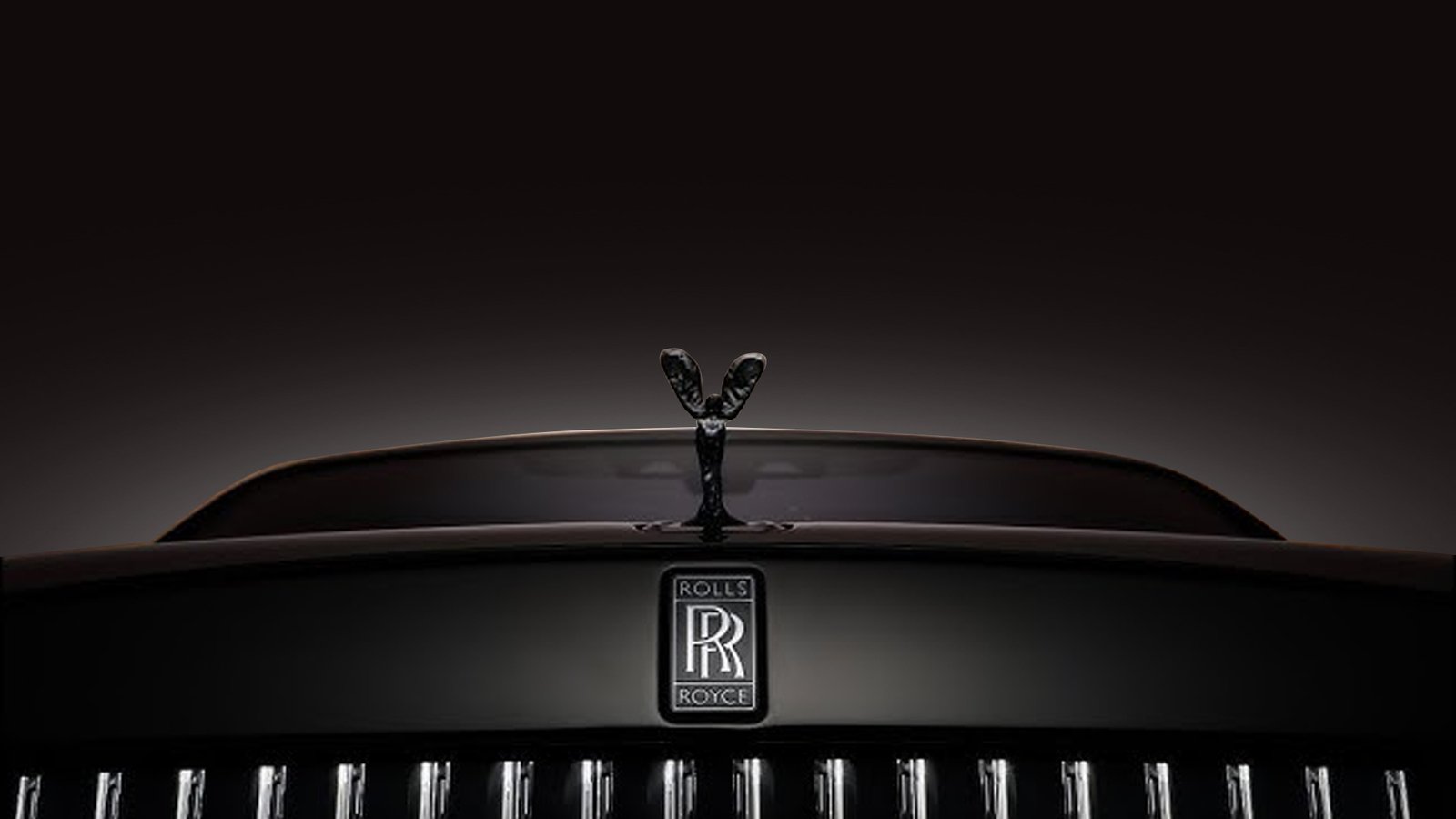
At the top of the pyramid rests the ultra-luxury brands. This level is so elite that most of us are not even aware of its existence. These brands target the ultra-wealthy, for whom traditional luxury is merely ordinary.
It is about the rarity and exclusivity of the product, bespoke creation, and the unique experience it provides. Products are often one-of-a-kind and exist as a unique expression of the owner’s taste.
There is no advertising. Marketing occurs through private showings and discreet invitations, and word-of-mouth within a limited circle of elite clientele. The message is about a lifestyle so rare that no one else on the planet can attain it. An ultra-luxury item is acquired by commission, not purchased off a shelf. Think the Rolls-Royce Phantom line or the most exclusive Hermès Birkin bags.
Purchasing these brands give out a subconscious recognition of status which has already been achieved, the desire to have something truly unique, a piece of art that no one else can afford, and feel the immense power it brings.
The Blurring Lines: A Dynamic Marketplace
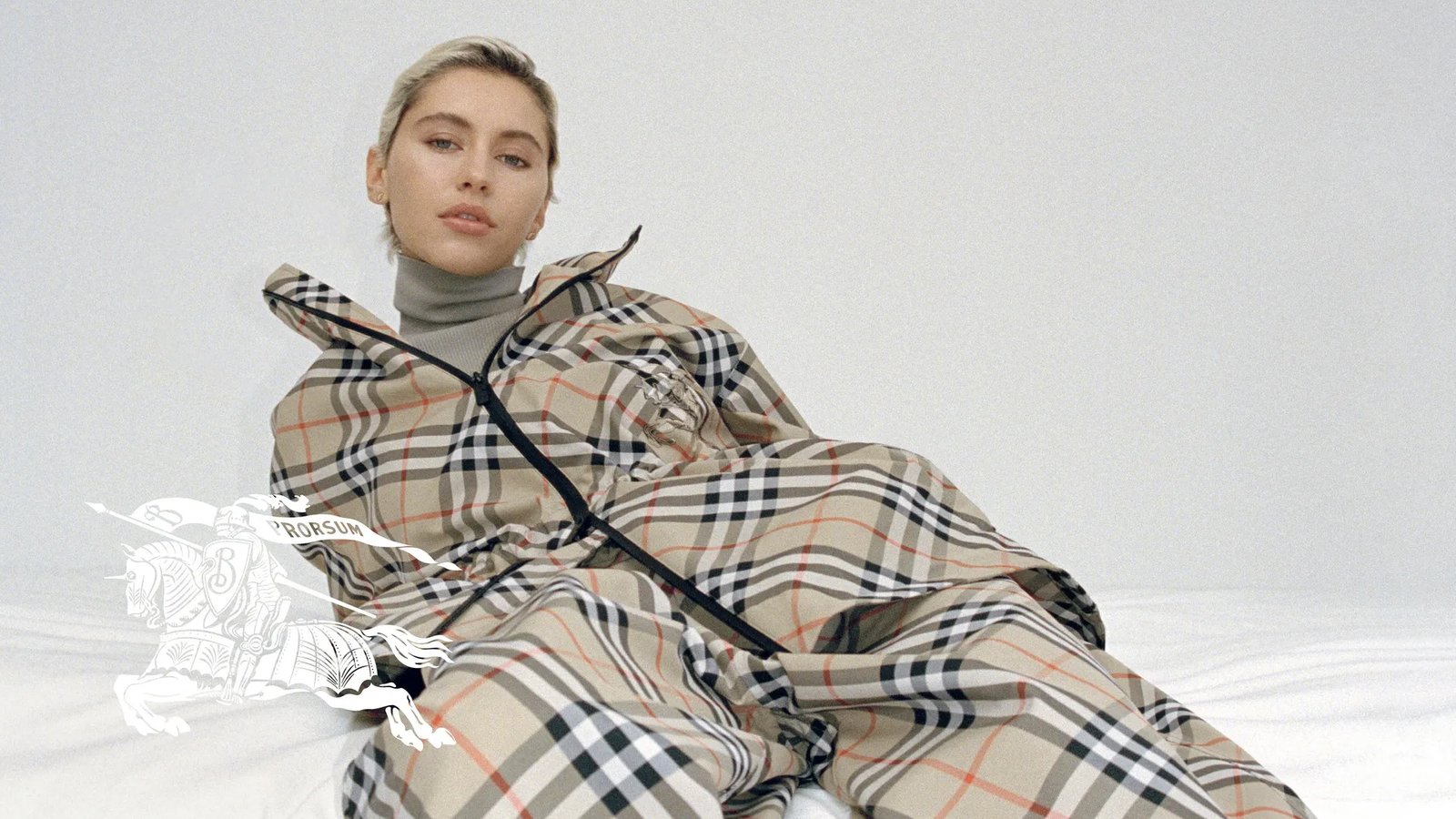
The classification above is clear and useful, but the lines can be fluid. A great example is Burberry. For years, Burberry’s signature check pattern was prevalant on scarves and accessories in department stores, making it an aspirational brand. It was an obvious symbol of prosperity among the general population. However, in recent years, the brand has been trying to improve its reputation. By limiting product distribution, focusing on high-end runway collections, and emphasizing its British heritage the company is actively moving in a more exclusive club. You might find the former in a premium department store near you today, but a bespoke handmade trench coat or an item from a runway-only collection firmly sits in the luxury or even ultra-luxury segment.
In essence, the key differences lie in whether the consumer has a direct connection with the brand. You buy a High Street item to stay in fashion. You want to own a premium brand as a sign of your success. You buy the luxury label to be a part of an elite club. And as ultra-luxury marketing likes to point out, it is not about what you buy, but what you are. Every price tag in a way is a statement.