


In the horology world where the art and history meet, there are those timepieces which go beyond its basic functionality to become legends. One watch is one of these rare jewels, a masterpiece of watch-making genius — the Breguet No. 160, the so-called Marie-Antoinette. Hailed as the Mona Lisa of Watches, this masterpiece is a perfect blend of technical genius, beauty, and romance with its spot among the most desirable and mysterious masterpieces in the world of luxury watches.
Historical Context

The history of the Breguet No. 160 is full of mystery and splendour. It was commissioned in 1783, a highly turbulent time in France, when it was ordered and delivered to none other than the Queen Marie-Antoinette, the last Queen of France before the French Revolution. The brief assigned to the commission was unusual: it was to produce a watch, which should include all the horological complications then known, and be made of the finest possible materials–gold instead of brass in all parts where it is possible–and should not be limited by time or cost.
Abraham-Louis Breguet was the genius of this monumental project who is known as the greatest watchmaker of all times. Breguet, born in Switzerland and having his workshop based in Paris was already being hailed among the aristocracy and royalty due to his radical innovations in watches. The work of No. 160 did not end with his life; finished in 1827–44 years after the commission, and 34 years after the tragic execution of the Queen–the watch is a culmination of generations in skill and labour by the Breguet family.
Design and Craftsmanship
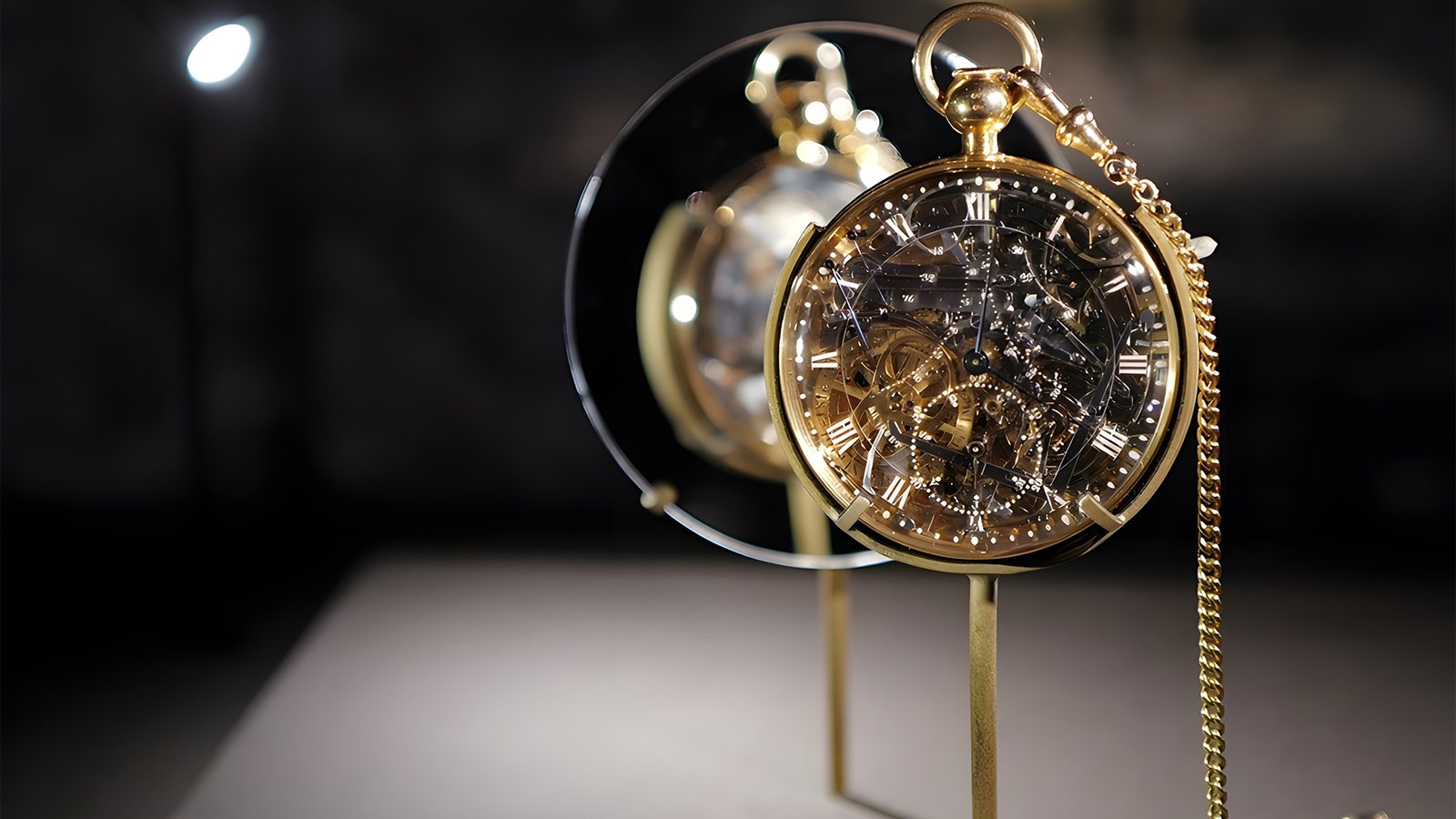
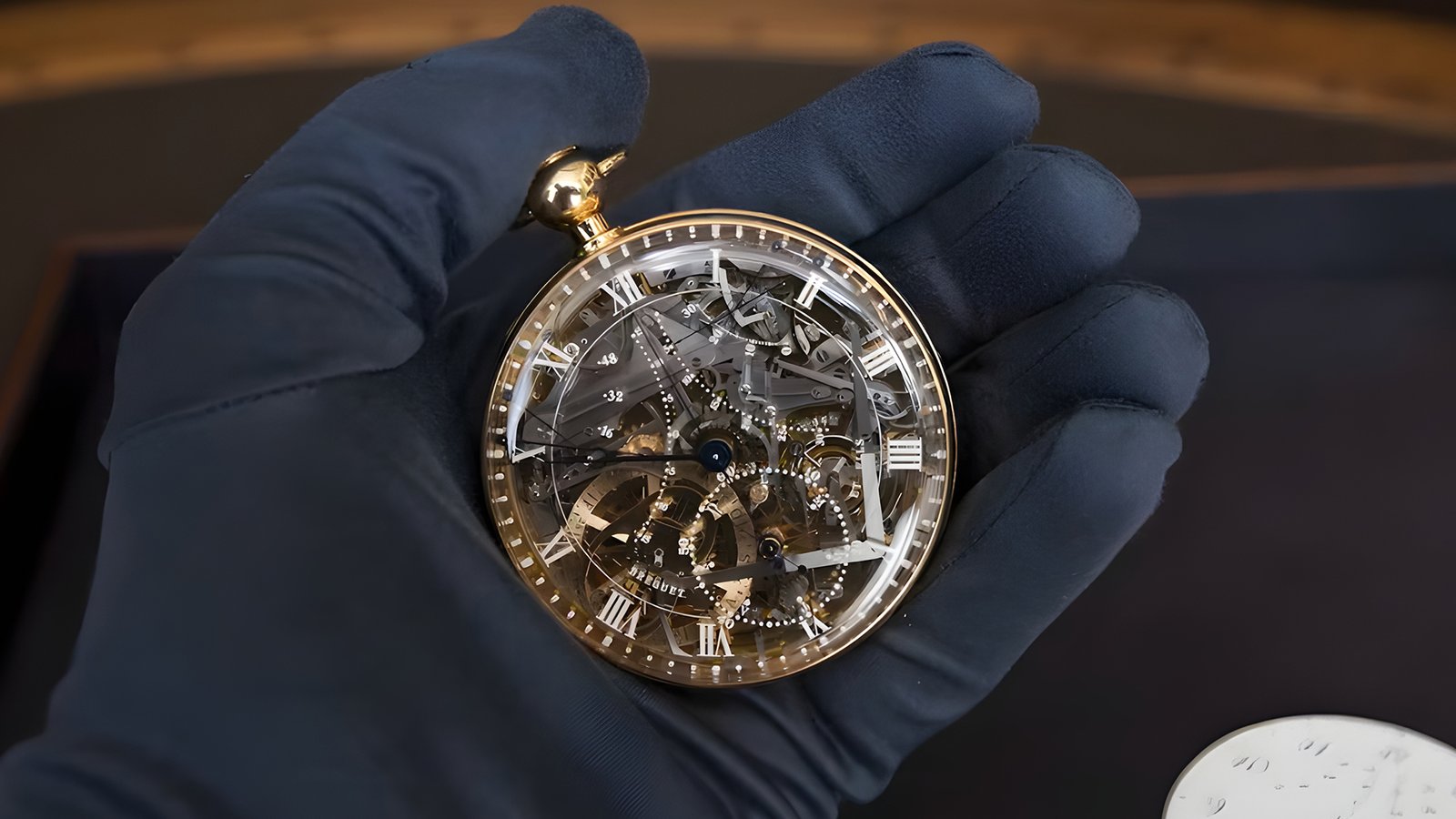
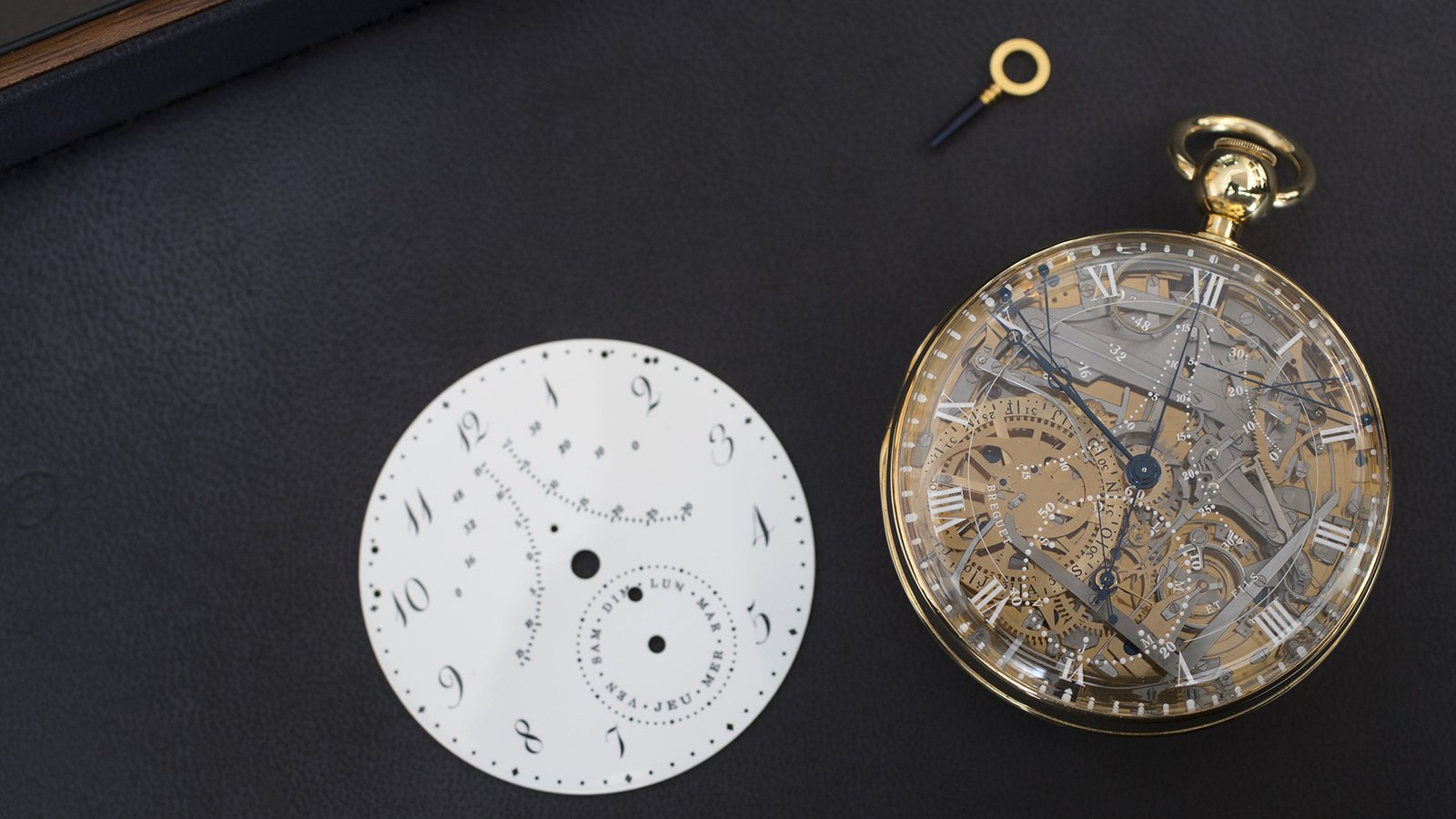
Breguet No. 160 is a titan of watchmaking. The watch measures 63 mm in diameter and housing 823 carefully executed components. It is a masterpiece of mechanical and artistic work. It includes an everlasting calendar indicating the day, date and month, an equation of time display indicating the difference between civil and solar time, a minute repeater to strike hours and quarters.
All parts are of the finest workmanship: the plates and bridges of the movement are of wood-polished pink gold; the screws are gleaming in polished blue steel; and the case and dial are decorated by a complex guilloche and ornamentation. There were no technical refinement and aesthetic detailing spared to produce not just a functional watch, but a masterpiece that will mesmerize generations.
Cultural Impact
In addition to its technical success, the Marie-Antoinette watch has a strong story behind them imbued with the cultural history of watchmaking. The fact that it was commissioned privately by one of the most iconic queens of all time and the secretive nature of its creation, the fact that it managed to evade revolutions and only finished many decades after the Queen had passed on adds a sense of emotion and historical mystique.
The watch has pushed horology towards the realm of legend. It has been the subject of books, exhibitions, and documentaries and has been an aspirational symbol of human craftsmanship and resourcefulness. Organizations such as L.A. Mayer Institute of Islamic Art preserve the original work, which is not a mere treasure in the museum, but rather, a historical document. This watch has become a standard against which high horology is measured and an icon of ultimate prestige that is revered by collectors, historians, and enthusiasts.
Collector's Perspective
The appreciation of No. 160 by the collectors extends way beyond the technical attributes of the watch. The poignancy of feeling–the mixture of love and art and history–which fixes its height, is the emotional weight. As one expert describes, even witnessing this watch represents “holding a piece of history wrapped in timeless beauty”. Experts and collectors have frequently observed the way that it has gone beyond the normal watch-collecting to become a matter of art and emotion–a watch that narrates as well as it keeps time.
The exclusivity of the watch, its legends and unmatched complexity have made it an unbelievably coveted item at auctions and in individual collections. It is not only a masterpiece in mechanical engineering but the ultimate art of art, and it makes it a holy grail among collectors all over the world.
Investment Value
The value of the Breguet No. 160 on the market is the evidence of the fact that it is a historical piece and it is a horological marvel. It is valued at tens of millions of dollars and is one of the priciest and the most exclusive watches ever to be sold or on display. It is irreplaceable, executed by the highest level of craftsmanship, provenance, and cultural value, this is what contributes to its appreciation over time.
The value of the No. 160, in contrast to many watches, which are dependent on brand hype or the modern-day trends, is firmly entrenched in its timelessness- both literally and figuratively. It meets the standards that astute collectors pursue: historical significance, limited supply, perfect state of preservation, and a legend that will intrigue the collector, which will guarantee gradual increase in value.
Conclusion
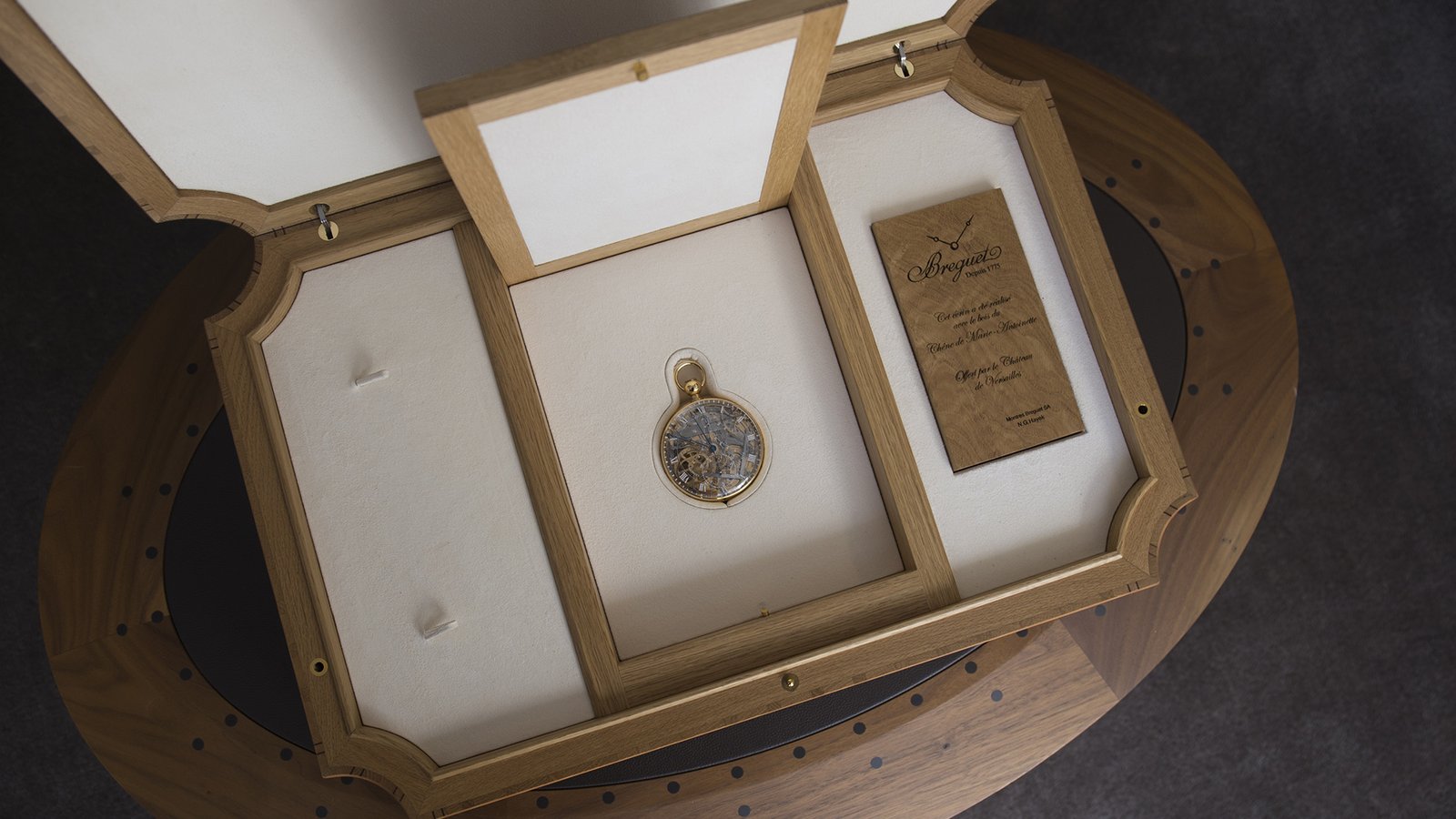
The Breguet No. 160 “Marie-Antoinette”, called The Mona Lisa of Watches, is not only a watch, it is a watch with a mysterious charm, perfect craftsmanship, and deep historical context. It is a piece of art that dazzles the mind of both the collector and the watch lover and joins centuries of horological development and cultural heritage. This watch is a masterpiece that beautifully portrays the story of interwoven art, science, and history.
To the admirer of the perfect unification of beauties and machinery, the Marie-Antoinette watch reminds us that the real masterpieces are classic–just like Mona Lisa by Da Vinci, it is a source of never-ending interest across generations. It is appreciated by collectors and admirers not just because of its aesthetic and technical perfection but because of its position in the history of the watchmaking industry that has been awe-inspiring and admired by people over centuries.